
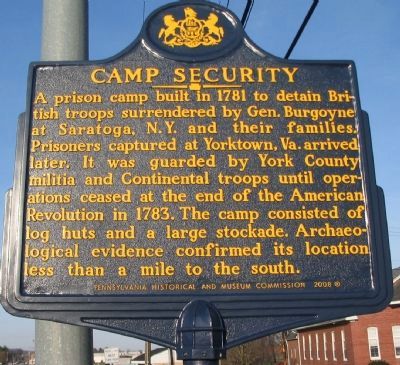
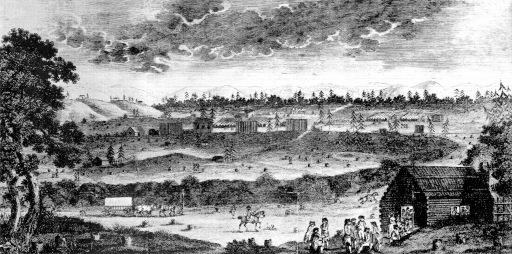
As we drive farther east, we get back into the range of British supply lines and thus more RevWar sites. On the drive from Gettysburg to Lancaster we passed through York Pennsylvania, the site of Camp Security. If you always wondered what happened to captured prisoners of war during the Revolutionary War, Camp Security is one of the answers. POWs were a huge problem for the young Continental Army. They have to be housed and fed, and their medical issues attended to. No army really wants to have this problem, and it wasn’t well thought out before the RevWar started. There was a constant evolution of how to handle POWs that largely revolved around temporary encampments, heavily guarded, that had to be moved around as the battles moved back and forth over their locations. POWs were frequently marched hundreds of miles, many along with their families. Remember that there were many Loyalists, colonials that remained loyal to the British crown, that chose to fight on the crown’s side, and they frequently fought by joining battles near their homes. The women and children were given wagons to ride in, but the men walked.
In the late summer of 1781 it was finally decided by Congress to construct a permanent camp, and a site was chosen (under great protest by Joseph Reed, President of Pennsylvania’s Supreme Executive Council) just east of York where an encampment of log huts was built to house prisoners from the 1777 surrender of British General John Burgoyne (5,800 Canadian, British and Hessians), several hundred British soldiers from Cowpens, South Carolina, and 800 POWs from the battle of Frederick. The Hessian soldiers were separated and shipped back to Europe, but it was too difficult to determine if shipping the British solders back wouldn’t just result in them being turned around and sent back to fight, so they were kept imprisoned. Today there is little left of Camp Security, just a monument in an open field.
A couple of Travel Notes before we move eastward to Lancaster and Amish Country. I have tried a few different driving style mixes, such as lowering overall speed by 5 mph and driving without cruise control in the mountains, and this has improved gas mileage from 7.1 mpg to about 8.5 mpg. It may sound small, but it improves our single-tank range by 30+ miles and lowers the range anxiety. We have several driving legs that are less than that, so it also cuts transit time a bit, something that I always appreciate, especially with all the road construction on our routes.
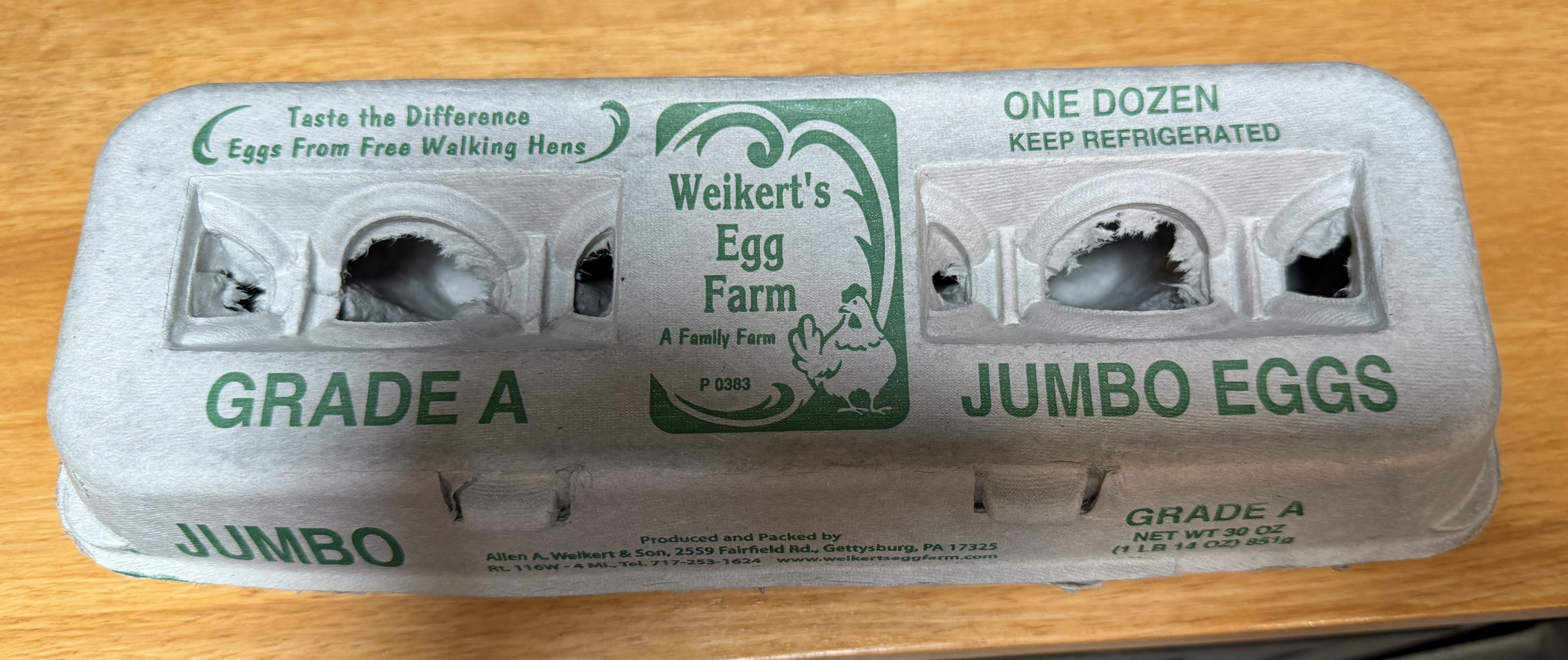
We are also eating exceptionally well, and not by dining out. We intentionally routed ourselves through as much countryside as possible so we could see more of America than just billboards and asphalt. This takes us past many small (usually family-owned) meat, vegetable, fruit and dairy stands. There is no comparison to farm fresh eggs that were pulled out from under a hen just a few hours ago.
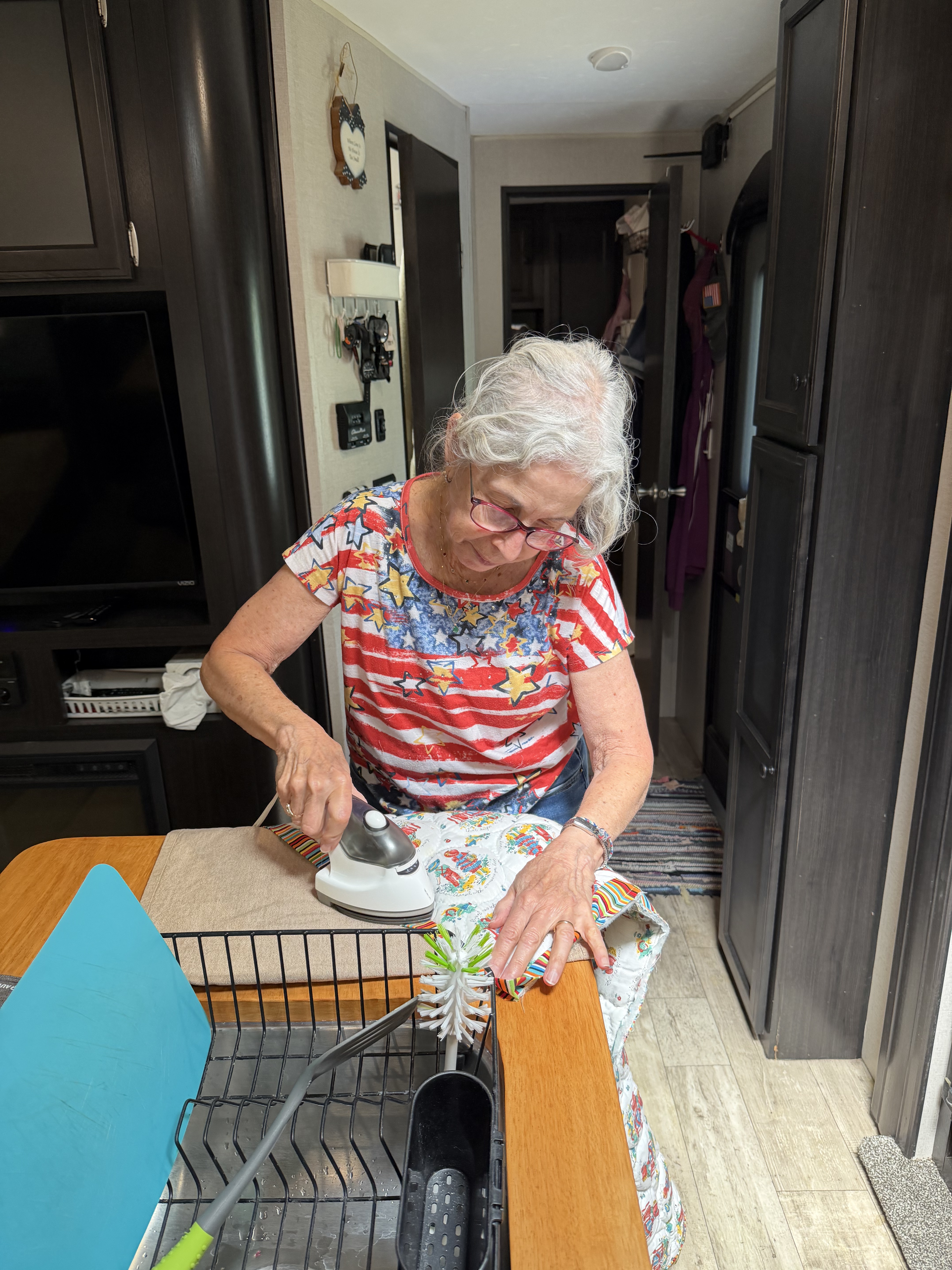
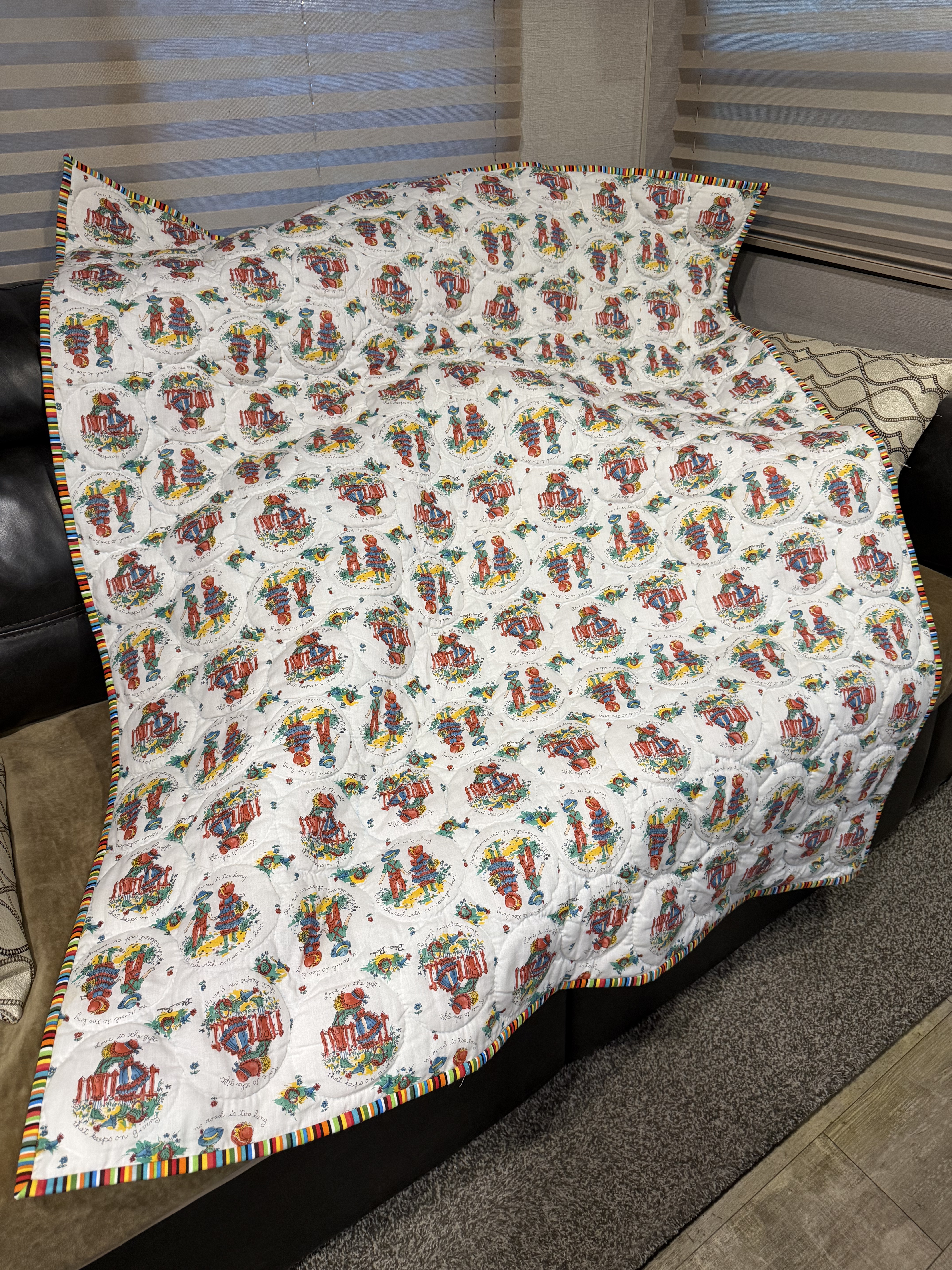
And you can take the girl out of the charity group she belongs to at home in Florida, but that doesn’t mean the charity work stops. Wendy is keeping busy with little sewing and crocheting jobs and just finished hand-stitching a quilt for one of the ladies in her Project Linus group.
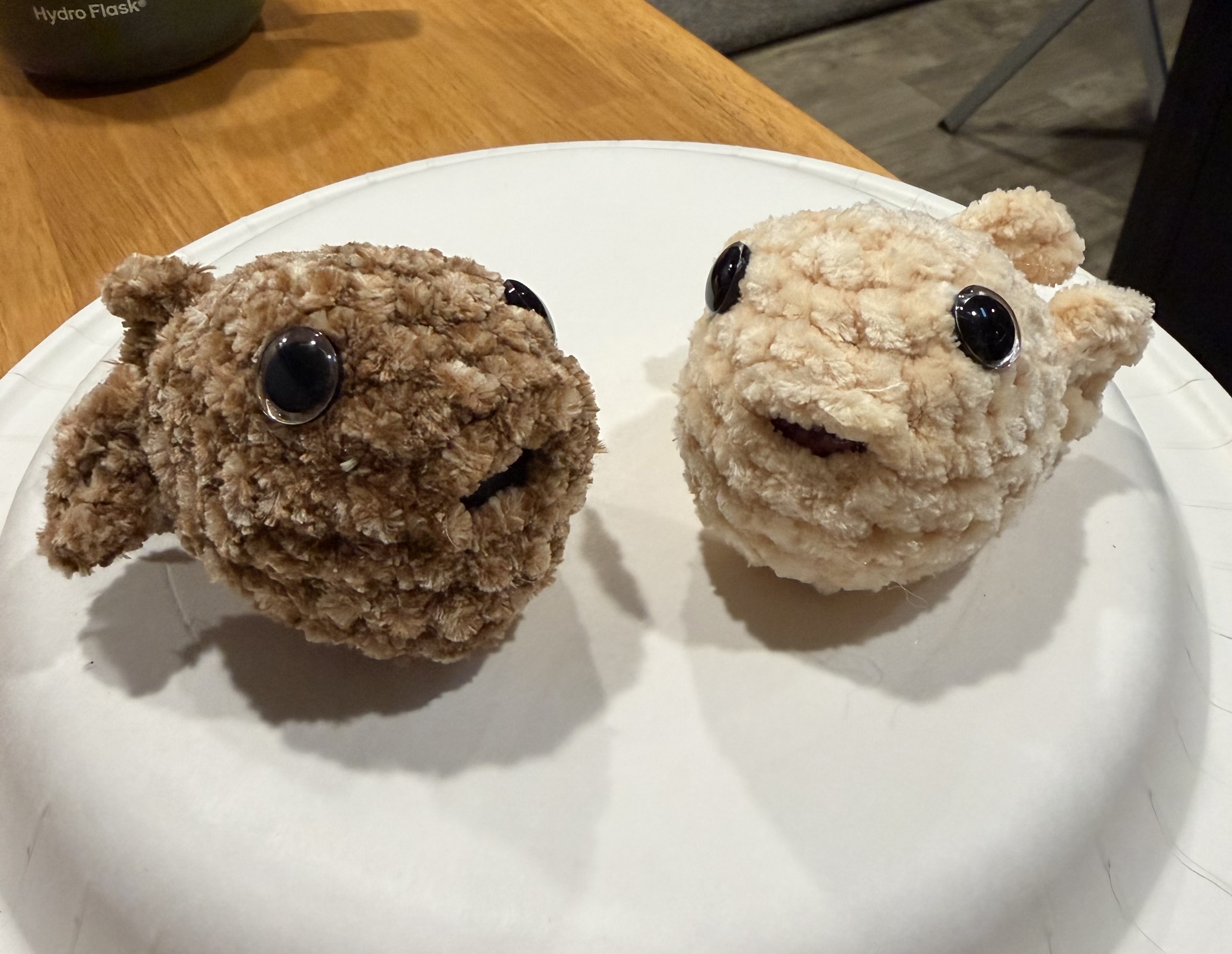
And she’s handy at DIY solutions for small problems with the rig, kind of a cross between Martha Stewart and McGiver. Our bedroom door wouldn’t stay open, so she crocheted a door holder. The big rubber band thingie that holds our shower doors together while driving broke, so she, you guessed it, crocheted a replacement.
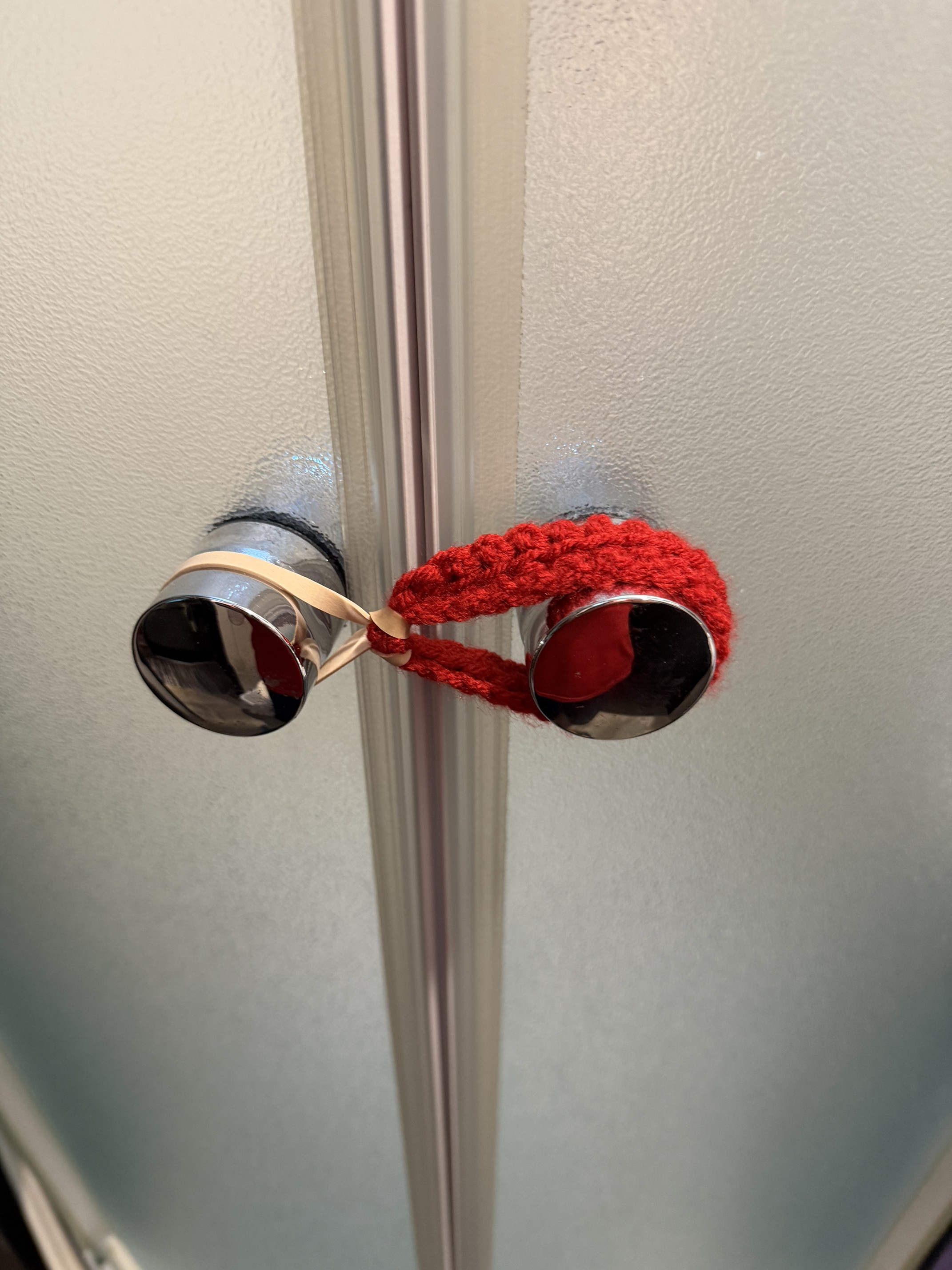
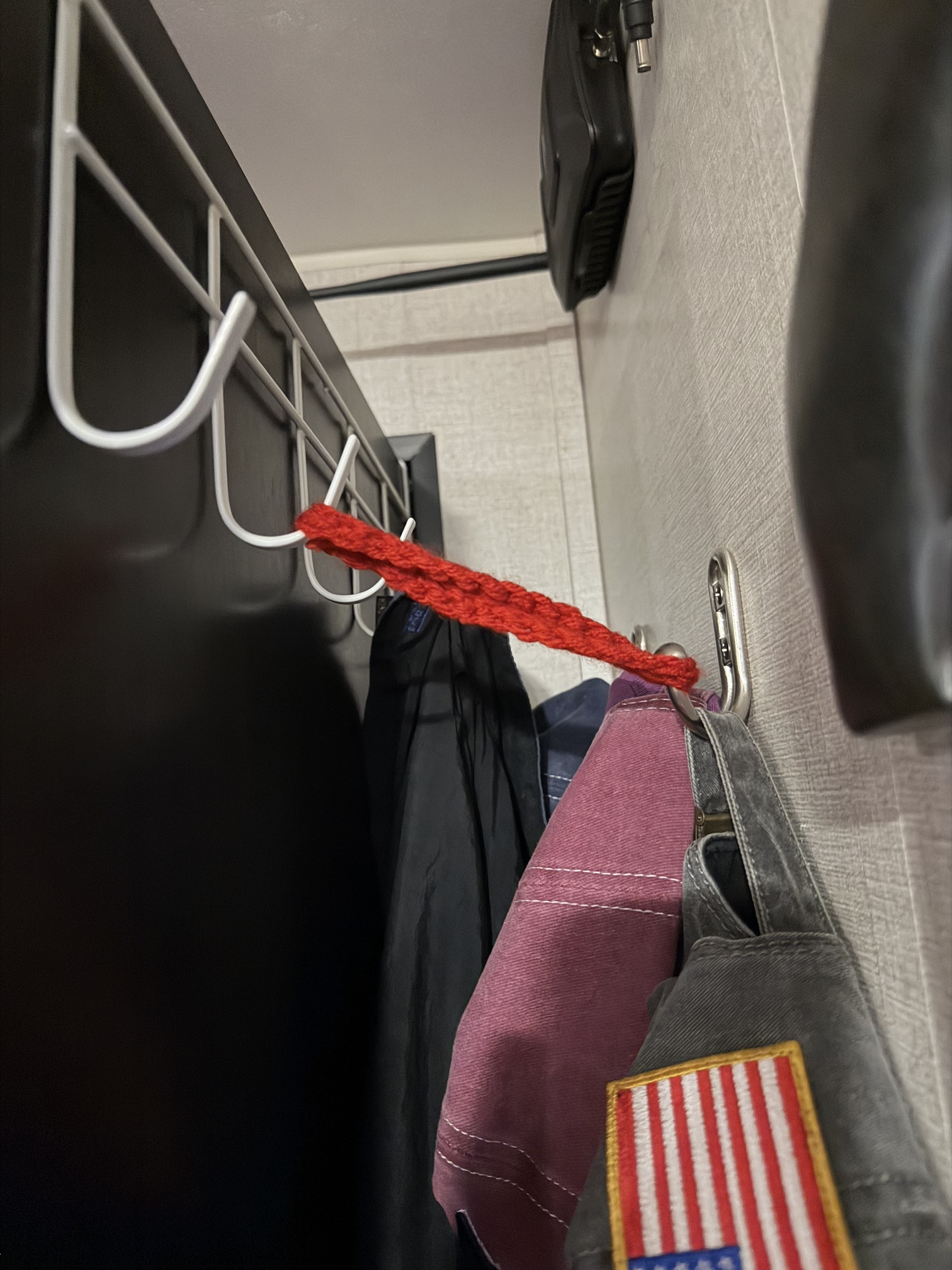
I cannot get the image out of my mind that after 33 days of this we will return home with a crocheted hood protector and matching mirror covers on my truck.

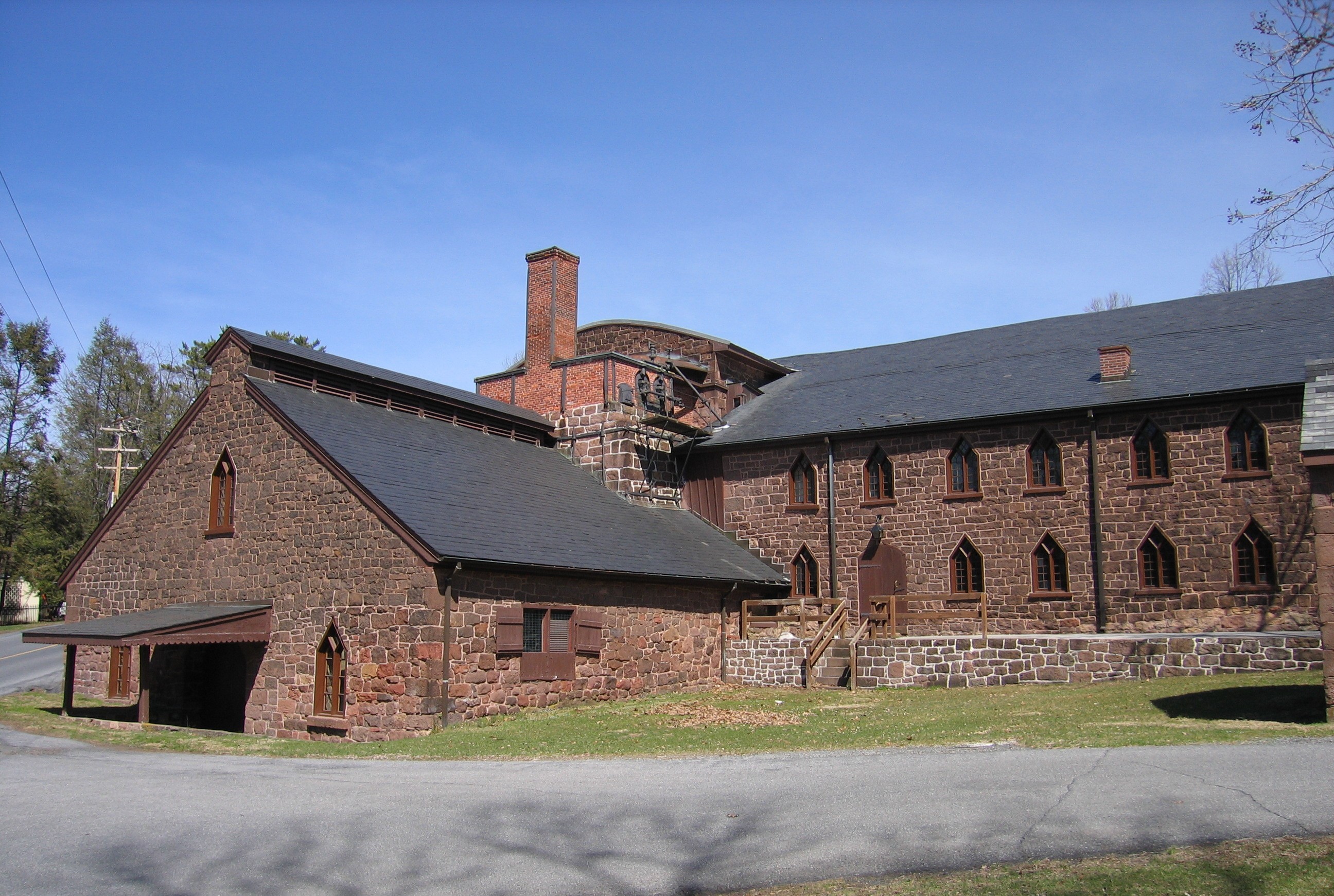
Lancaster itself is surprisingly thin on RevWar sites. There are no battlefields. The closest we got is a short list of properties that had a hand in the war, but not directly in the fighting. Historic Rock Ford is the preserved 1794 home of Edward Hand, Washington’s Adjutant General; Ephrata Cloister, north of Lancaster, served as a war hospital from December 1777 to June 1778; the Duke Street Stables was one of the equestrian stables for Washington’s Continental Army; and Cornwall Iron Furnace, a short drive east, cast cannons for the war, and is one of the best preserved ironmaking sites of its kind. Beyond that, bupkis.
If you are looking for Amish, however, Lancaster is one of the epicenters for Amish Life. We tried to chart a route through the county to see what we could in one day, and there were so many choices that we decided to take advantage of a free 2-hour bus tour that came with our campground fee. In fact, the next town over, Bird-in-Hand, isn’t really a town so much as a corporation (bird-in-hand.com) that started as a small country inn and expanded to a multi-property conglomerate catering almost entirely to tourism. Our campground is one of their properties, and we inherited the ability to take advantage of any amenities at any of the others, hence the free tour that is offered to their hotel guests.
We aren’t much for tours, but if you want to cover a lot of ground while rubbernecking around, it’s likely the safest way to go. Plus, our guide, Glenn, was raised in an Amish family (his father was Amish, he didn’t follow the path) and gave great insight into all of the features of the community that you wouldn’t get just driving around on your own. A couple of fun facts: the Amish don’t pay for health insurance, they use community crowdfunding, called “Amish Aid” for insurance purposes, to cover each other’s bills; the Amish also don’t pay into Social Security, they are exempt and totally reliant on the community to take care of them in their old age. We also discovered that there are many “Amish only” areas in the farmland that have no overhead electrical wires by the roadside. The Amish don’t use electricity, but in the last few decades they have adopted diesel engines and other powered devices that increase their farming yields. Electricity in a house, however, doesn’t increase farm yields, so they stick with candles and propane (for the most part). We were amazed to find many of their shop tools, and ceiling fans, ran on compressed air, which was fed from a diesel compressor. All of this on the day after SpaceX went public, creating thousands of millionaires out of the cloth of technology. It’s quite a contrast.

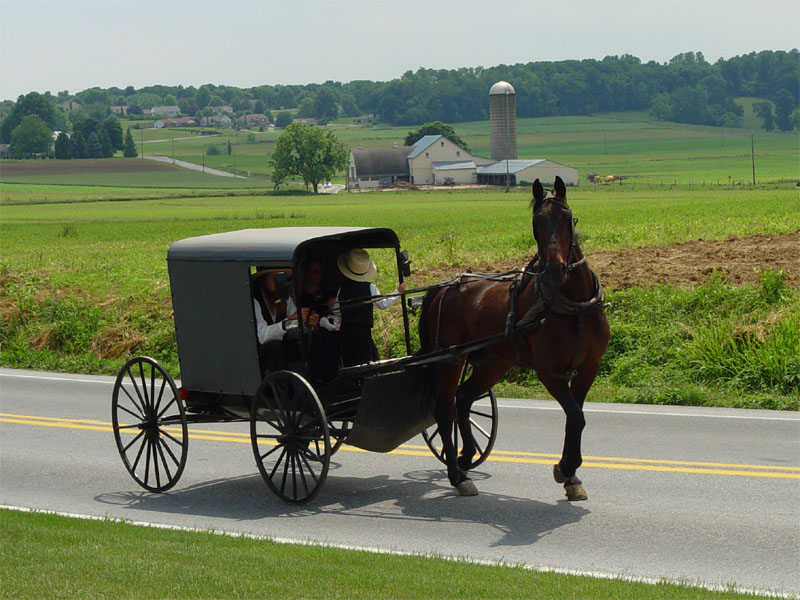
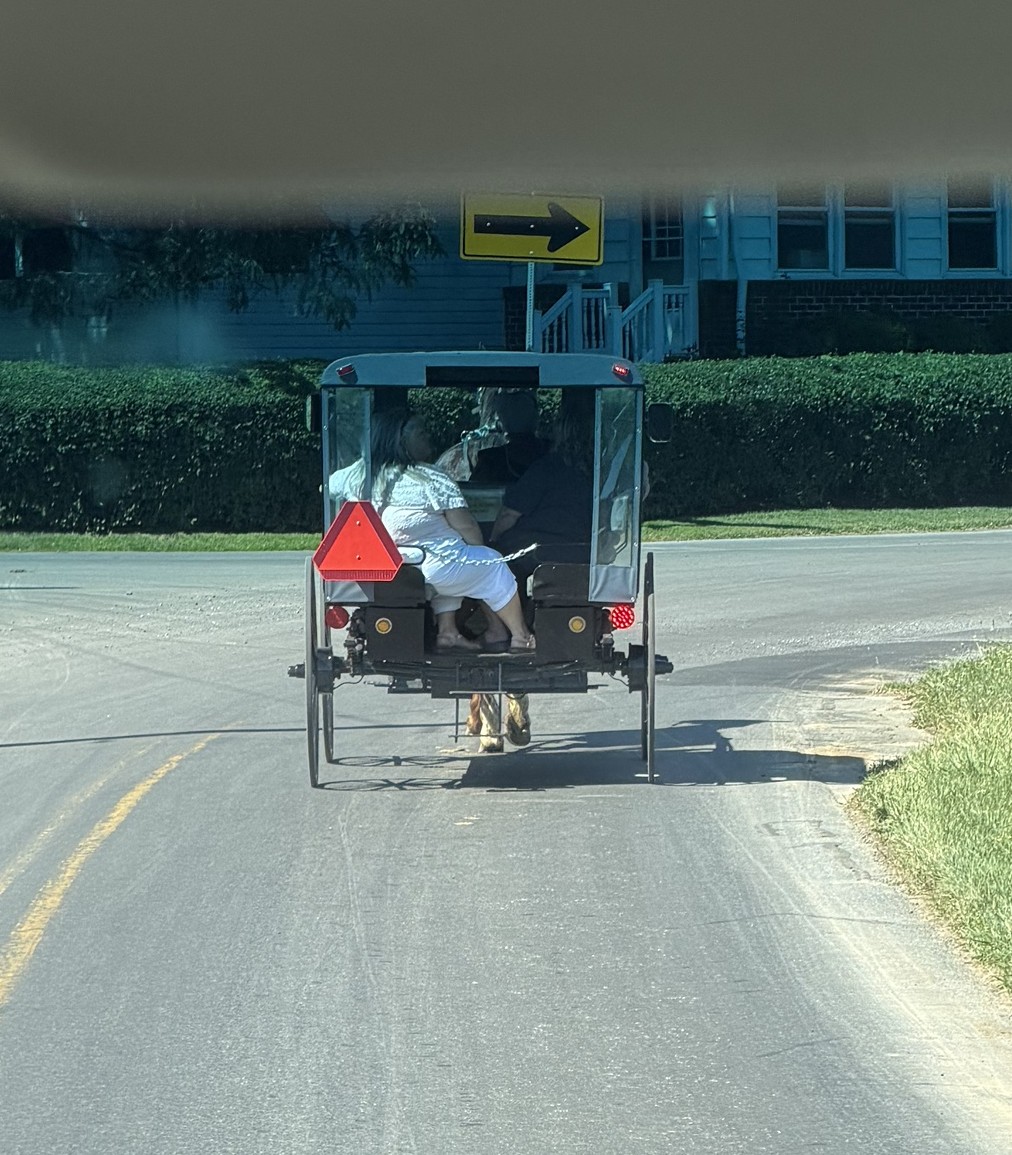
What you see and what is real are two different things in Amish Country. They only represent about 9% of the local population, but they stick out starkly from the rest of us and are seemingly everywhere as a result. Horsedrawn buggies are on every road we drove, the traditional Amish dress code is so uniform as to become glaring.
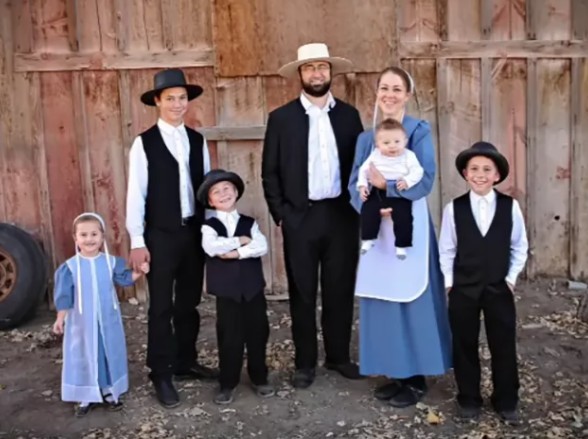
On Friday nights, an Amish woman shows up at the campground office to sell fresh baked goods, dressed traditionally but arriving in a car driven by another woman. Hmmmm. We also saw one Amish man riding an eBike instead of the traditional foot-powered scooter, and inquired, being told that there are a lot of Amish folks who don’t follow the rules and are at risk of pissing off the Bishop. But sometimes the Bishop isn’t watching, and rules become malleable. We saw several cars parked behind barns. Apparently if you can’t see it, you can look the other way when your older son or brother wants to drive. Only recently did the rule against having a telephone in your house get relaxed, and it is becoming more common to see a smartphone in the hand of the Amish man. “Must be 18 to enter this site” starts to look like the beginning of the end.

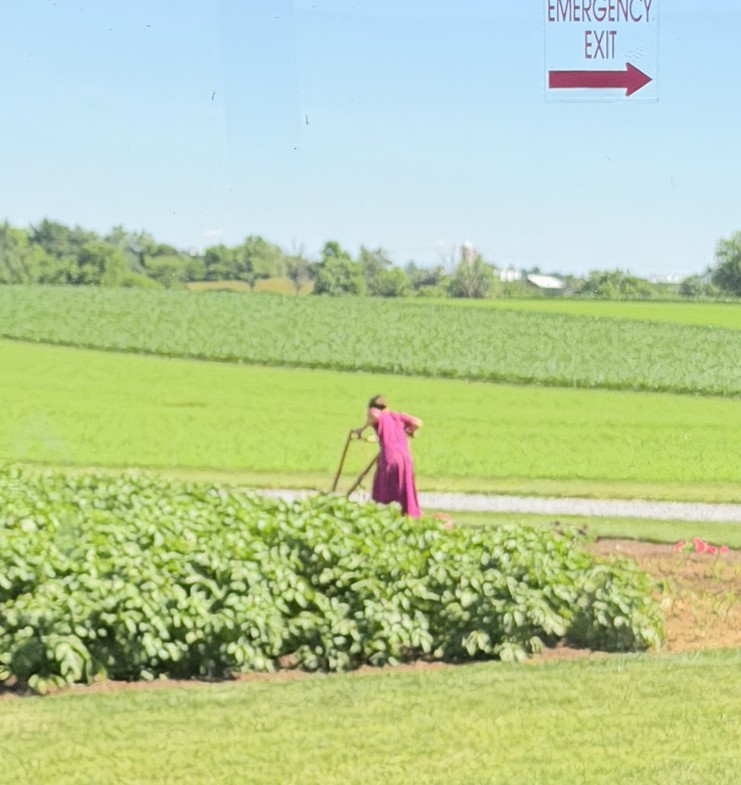
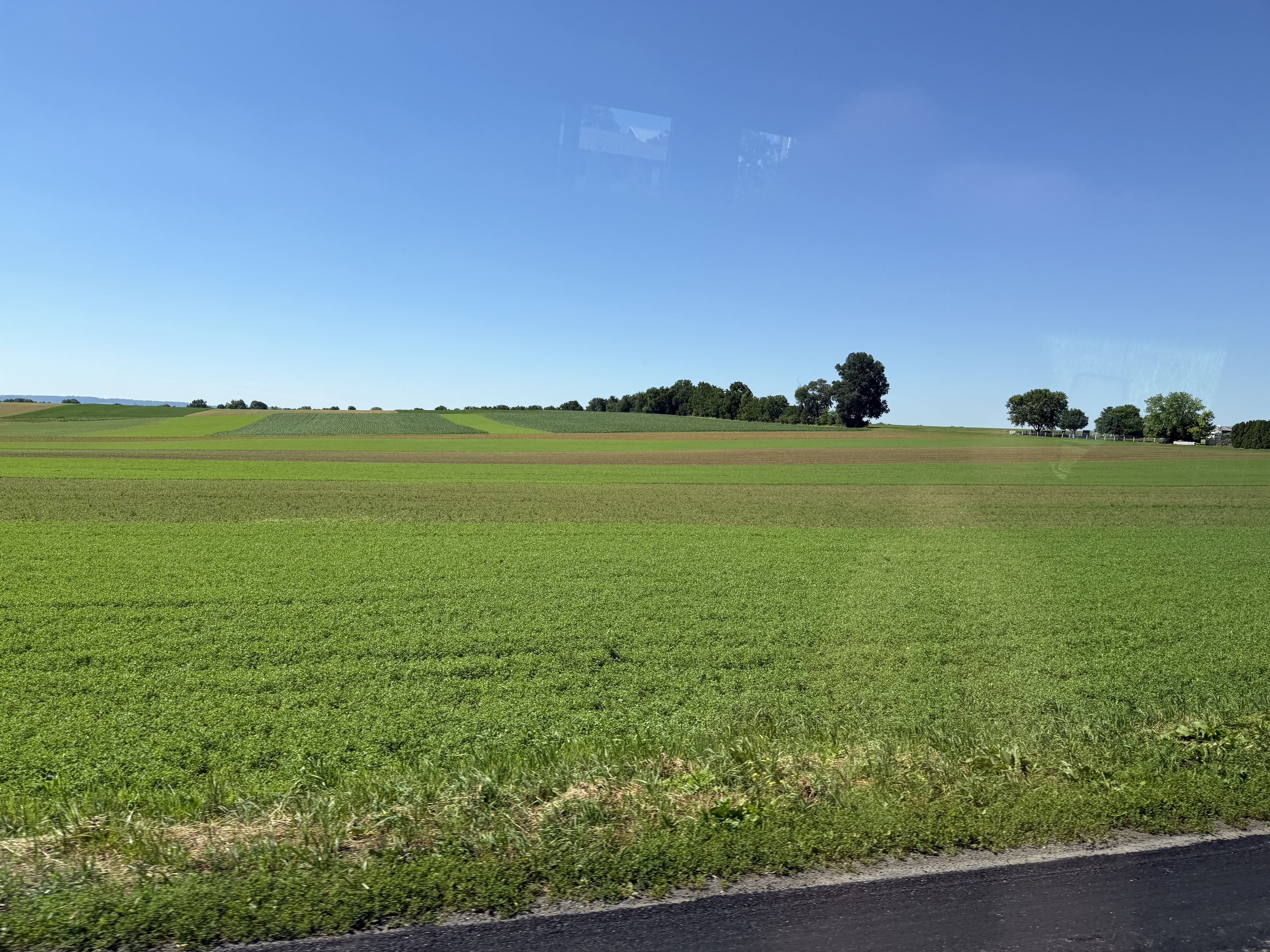
Our time in Amish Country had us breathing in the fresh air, gazing out over the beautiful and serene farmland, and musing about how wonderful it would be to live here, a simple life in an uncomplicated place. Then we get jolted back to reality by stories that remind us that the Amish are also exempt from High School, and after graduating 8th grade they go to work in the fields and shops. Glenn, our driver on the tour, chuckled about the one day a week the kids don’t have to work (Sunday, church most of the day), and the one day they get to sleep in during planting and harvest seasons (Saturday, until 6AM). And then I can’t help but remember the picture we took of the young girl pushing a single-wheeled plow through the garden patch beside her house. Our thoughts drifted away from Amish Country and on to the next few days of our mission.
Next up, Philadelphia and Valley Forge
Onward!
Legal Notice: To further assuage Tippy’s manager, we will again give you two Tippy’s for the price of one. I cannot believe someone would threaten to form a union of one employee……


Once again, fascinating. The problem of POWs was terrible
I’ve recently enjoyed watching several movies about the Amish. Interesting info. and observations! Way to go, Wendy, on your crochet handiwork ( and quilting). 😘😘
Yahoo Mail: Search, Organize, Conquer
Very nice quilt from a very talented quilter Frankie