
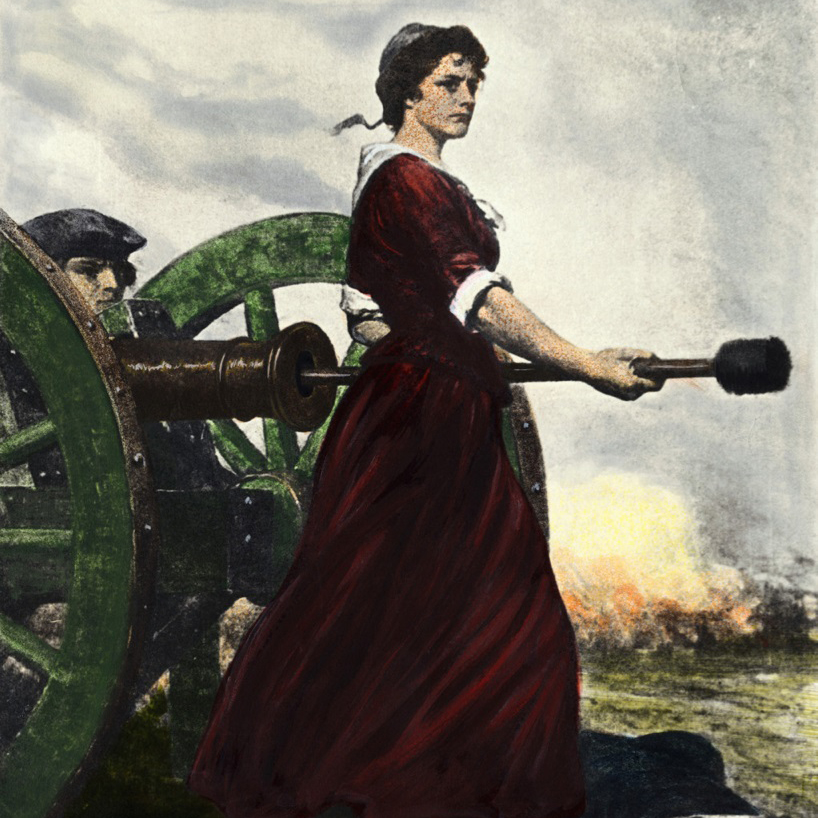
There are many legendary women of the RevWar. We discovered perhaps the most famous one while driving south out of Pennsylvania enroute to Virginia. This wasn’t some kind of ghostly apparition hitchhiking on the interstate; it was first brought to our attention by a highway exit sign, Molly Pitcher Hwy, innocently staring back at us from where a ghostly apparition might stand along the side of the road. Wendy, scrolling for history on her phone as we passed towns and signs, looked her up. It turns out she IS an apparition of sorts, more myth than real person.
Molly Pitcher symbolizes the many women who supported the Revolutionary War effort, especially at the Battle of Monmouth, where she is remembered for carrying water to the troops and helping at a cannon after her husband was injured. The name associated with this historical bit of heroism is myth (Pitcher likely derives from the water carried to the troops), the story is not. Molly Pitcher, it seems, is a composite heroine, a blend of several women that evolved into a legend.
The broader “Molly Pitcher” figure seems to blend several women’s real wartime actions, especially at Monmouth and elsewhere. The women most often identified with the legend are Mary Ludwig Hays, Margaret Corbin and Deborah Sampson, with some of the legend derived from their histories and more color added as an inspiration for the composite figure than a direct match to the cannon-at-Monmouth story. The best evidence points to one of these women as the seed of the story.
Born to German immigrants in the mid-18th century, Mary Ludwig Hayes followed her husband to war and enlisted with Captain Francis Proctor’s company in the Pennsylvania Artillery. She earned admiration among the troops for her tireless support, washing clothes, caring for the sick, and carrying water to soldiers on the battlefield.
At the Battle of Monmouth in 1778 while delivering water to the parched troops in the sweltering heat, Mary famously stepped in and took over her husband’s cannon after he was wounded. Joseph Martin, a fellow soldier, wrote in his diary of her bravery, “a cannon shot from the enemy passed directly between her legs without doing any other damage than carrying away all the lower part of her petticoat. Looking at it with apparent unconcern, she observed that it was lucky it did not pass a little higher […] and continued her occupation.”
After the battle, George Washington himself promoted her to non-commissioned officer, and she thereafter adopted the nickname “Sergeant Molly,” a title that stuck and granted her a place in Revolutionary War history. She was awarded a $40 military pension and is honored with a statue at her gravesite in Carlisle, Pennsylvania.
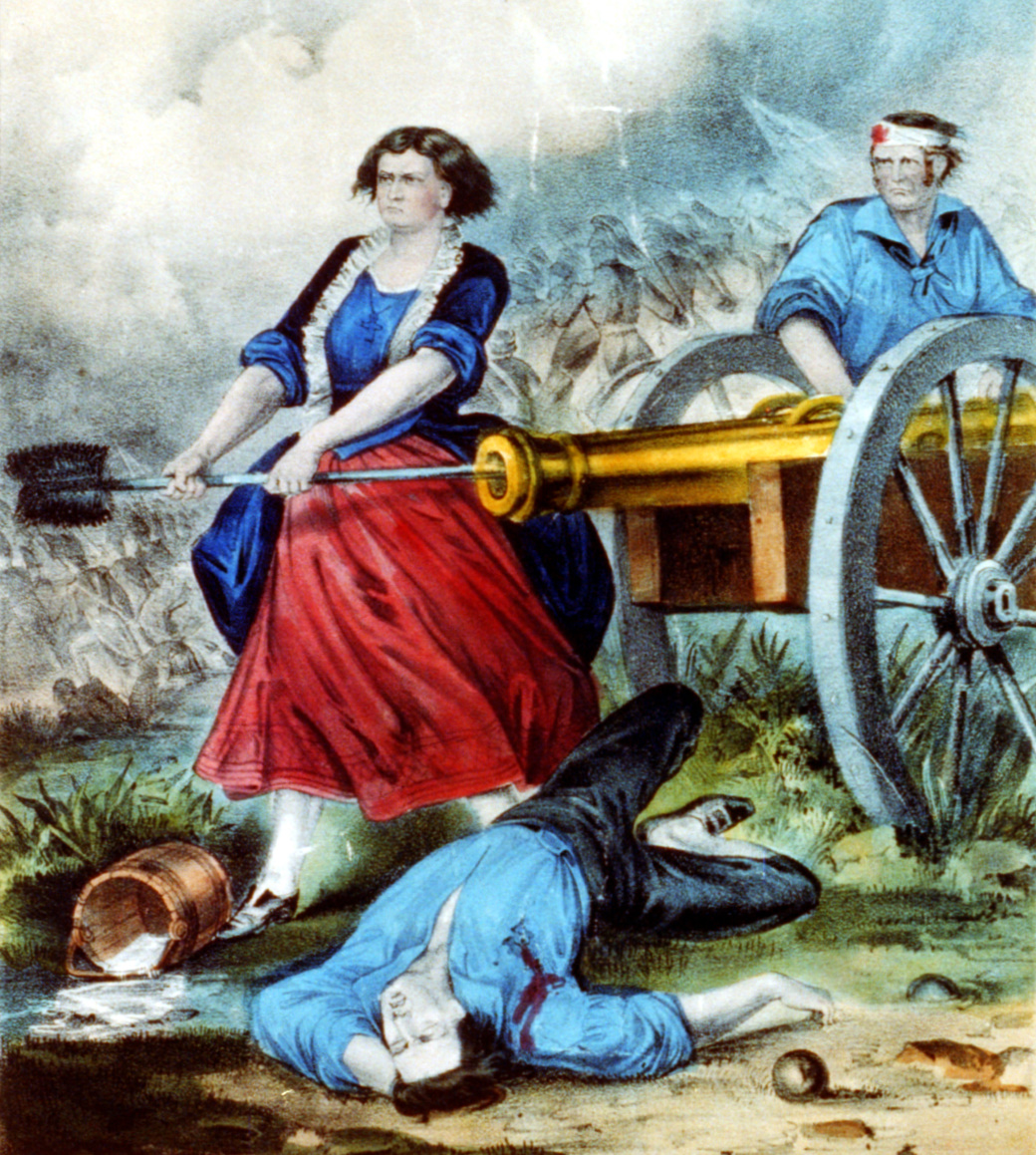
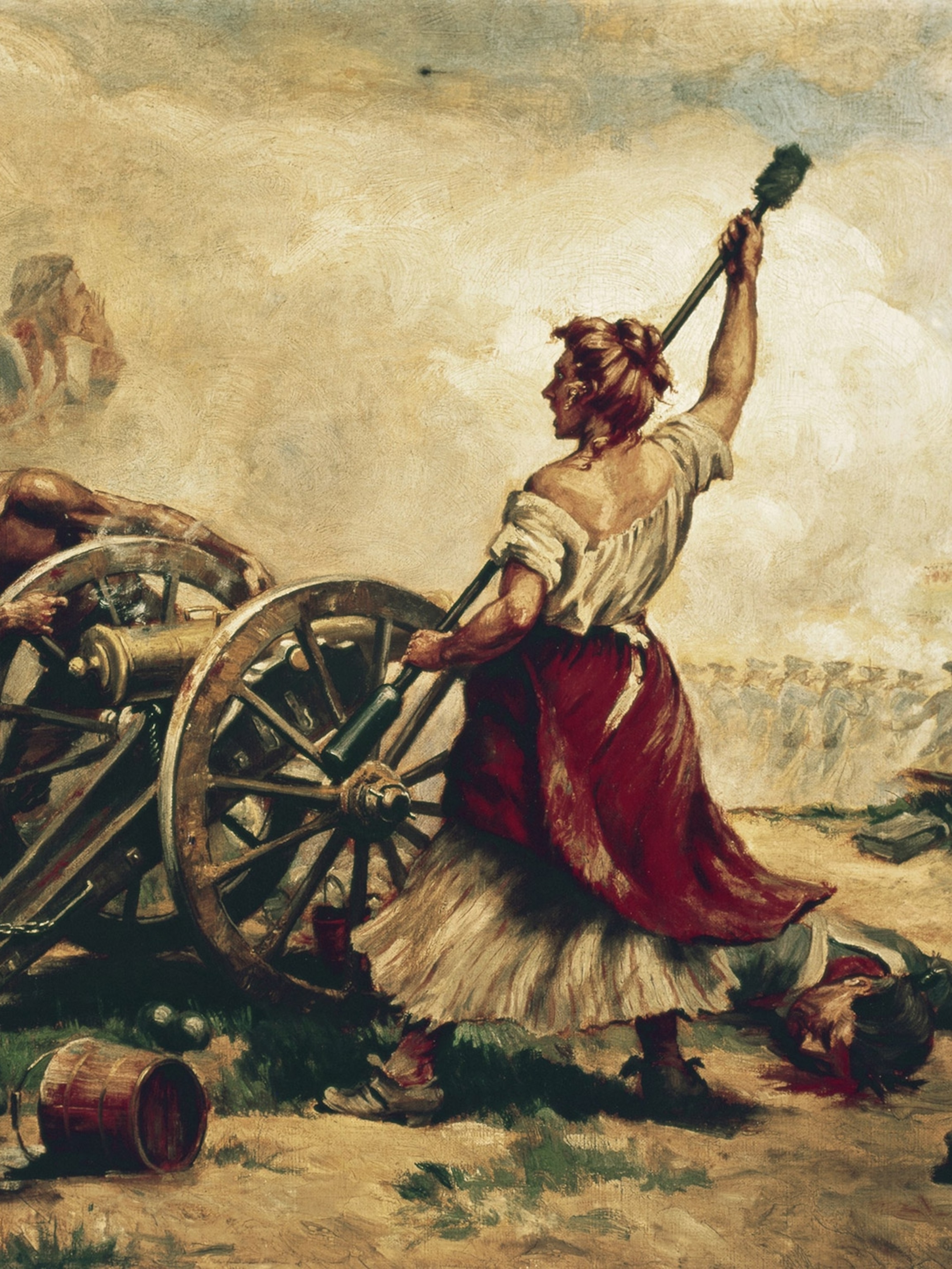
Yeah, I know, “Sarge Molly”, a cannonball between the legs, the suggestive strong grip on the barrel plunger, it all seems like the type of story that would very likely be conceived by our unrefined male colonial ancestors. Maybe what’s available today is the sanitized version? In any event, let us not dilute the historical greatness of any story of our colonial women, rather let us celebrate their accomplishments as part of our fight for freedom. This is what the stuff of history is made of! Especially in America, which has always stretched the rules.
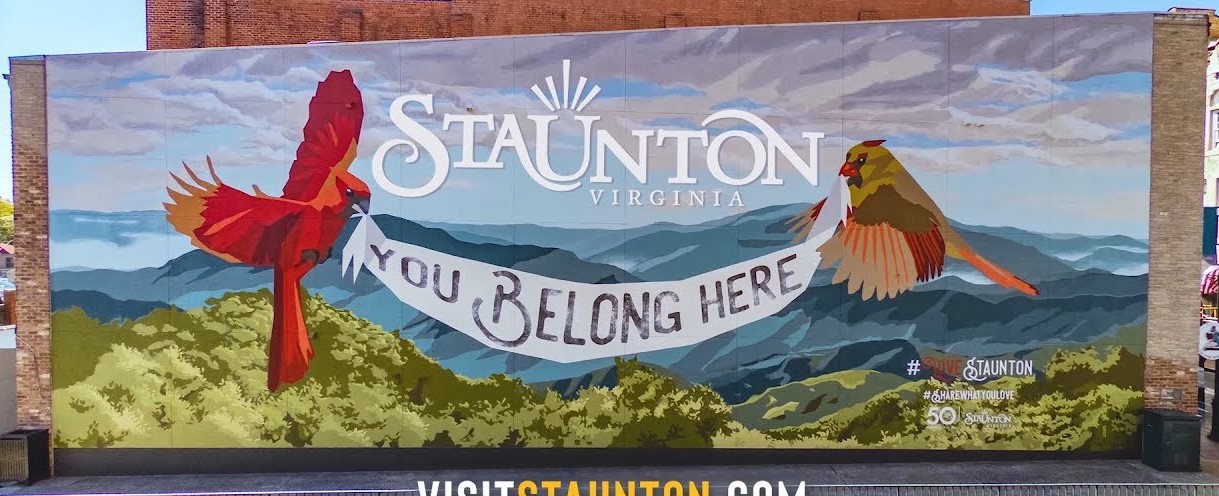
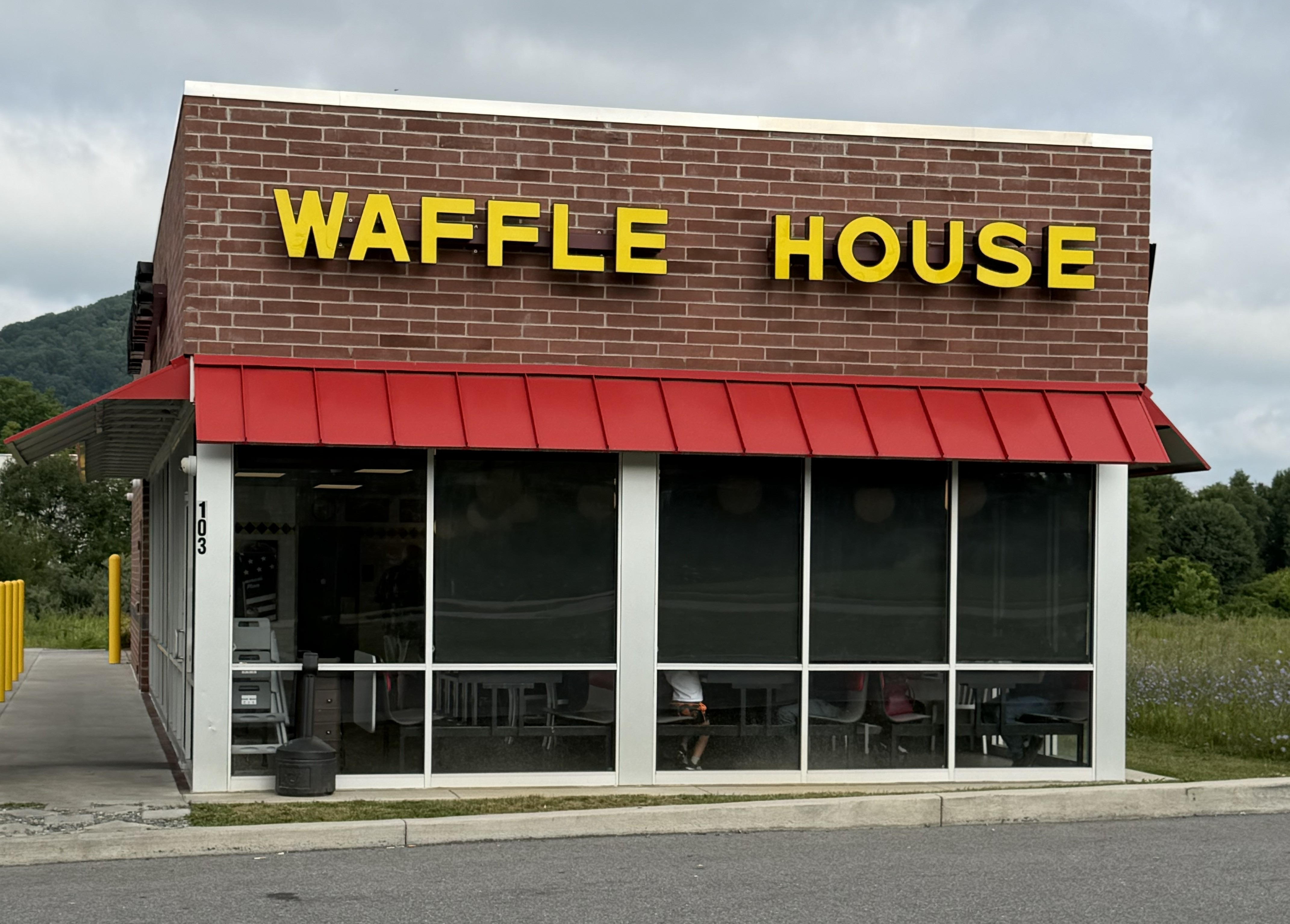
We camped here on our way home at Walnut Hills Campground, located in the beautiful rolling hills outside of Staunton Virginia, which is listed as one of the best small towns in America. The people we talked to who were natives all reinforced that with pride. It is also known as The Queen City, not a reference to any royalty, and certainly not to anyone’s sexuality, but a nod to retaining one of the top best town spots. By the way, it’s pronounced “Stanton” (drop the “u”) for those that wish to not commit that small faux pas and to just eat their Waffle House breakfast in peace.
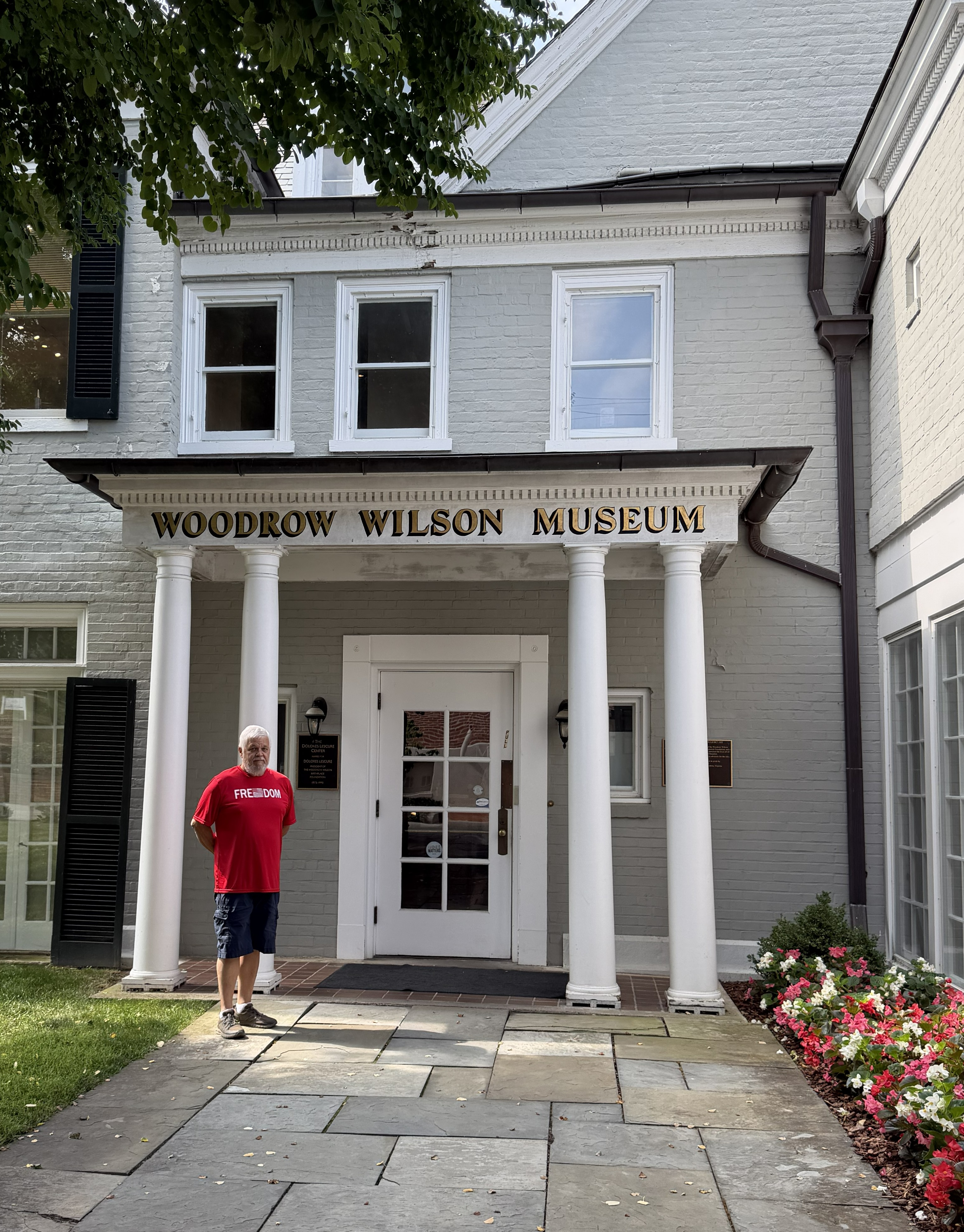
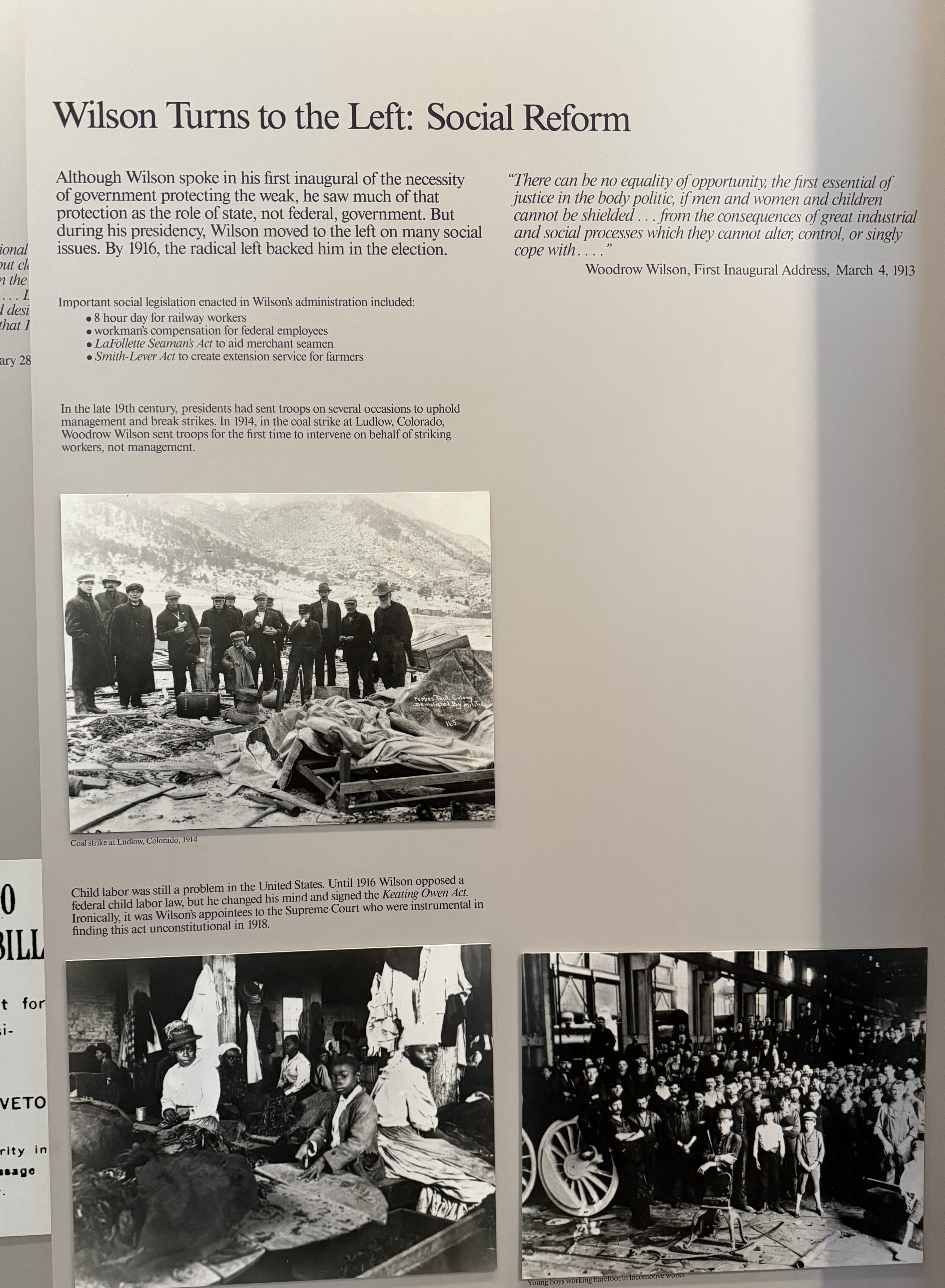
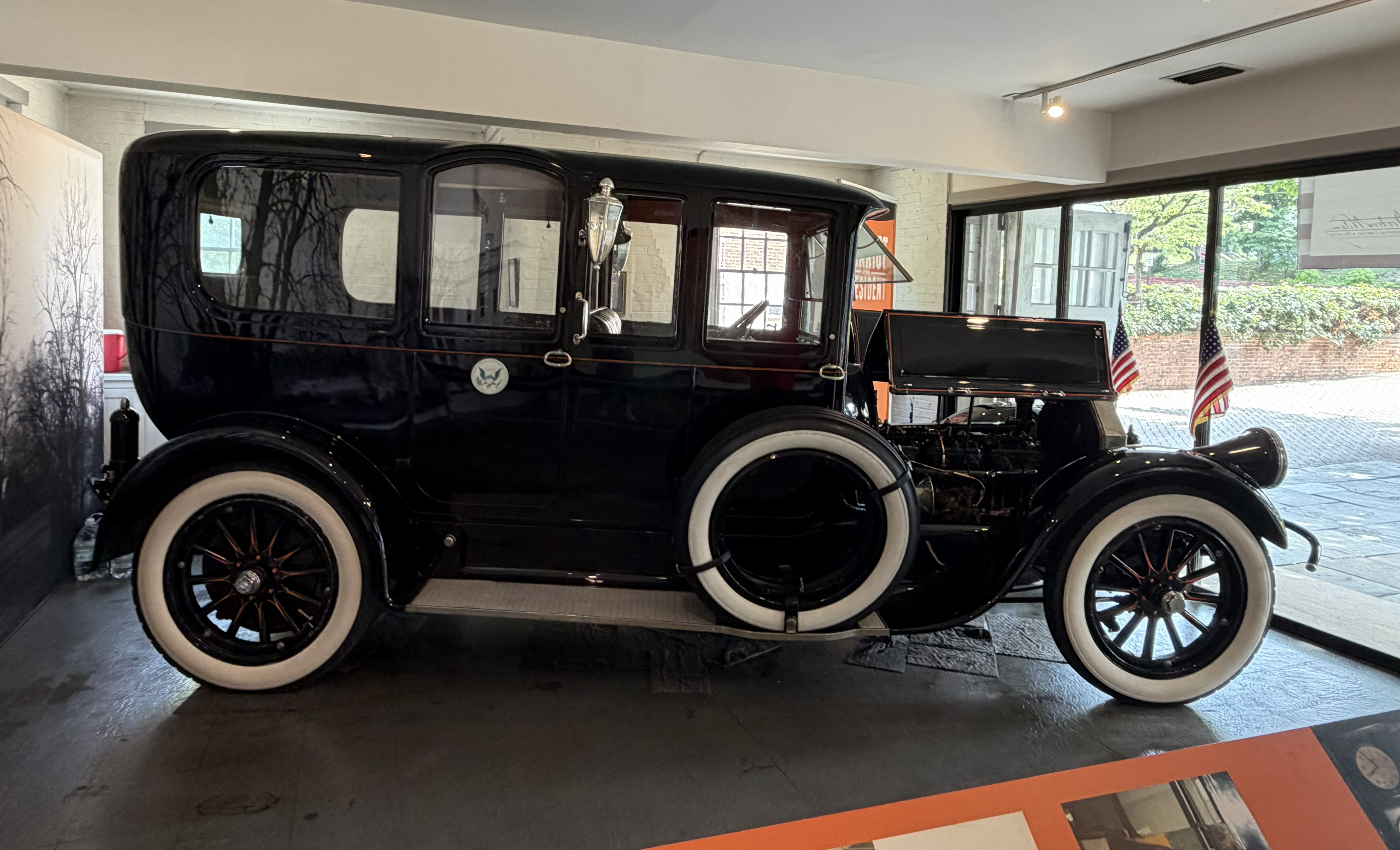
We visited the Woodrow Wilson Presidential Library; he’s a native son of Staunton. Fun fact: 8 of America’s Presidents hail from Virginia, more than any other state. Ohio is next with 7. The library is a very smallish affair consisting of one converted house (the museum and library) and another old house (his actual birthplace). It isn’t overly grand for a President that left a big impact on American history with the establishment of the Federal Reserve and his attempt to establish the League of Nations at the end of World War I. The League didn’t make it, but was a precursor to the United Nations, founded after World War II. If there was a successful League of Nations, we might not have seen WWII, but the deal to end WWI was so badly constructed that it led to the inevitable rise of German economic ruin and unemployment, then fascism and finally retribution against the western victors in the form of aggression. With all the good intentions of both the League and the UN, it is still the author’s opinion that it can all go in the dumpster, being more trouble than it is worth for virtually no problem solving. Remember, this is a family blog, only clean language in the comments!
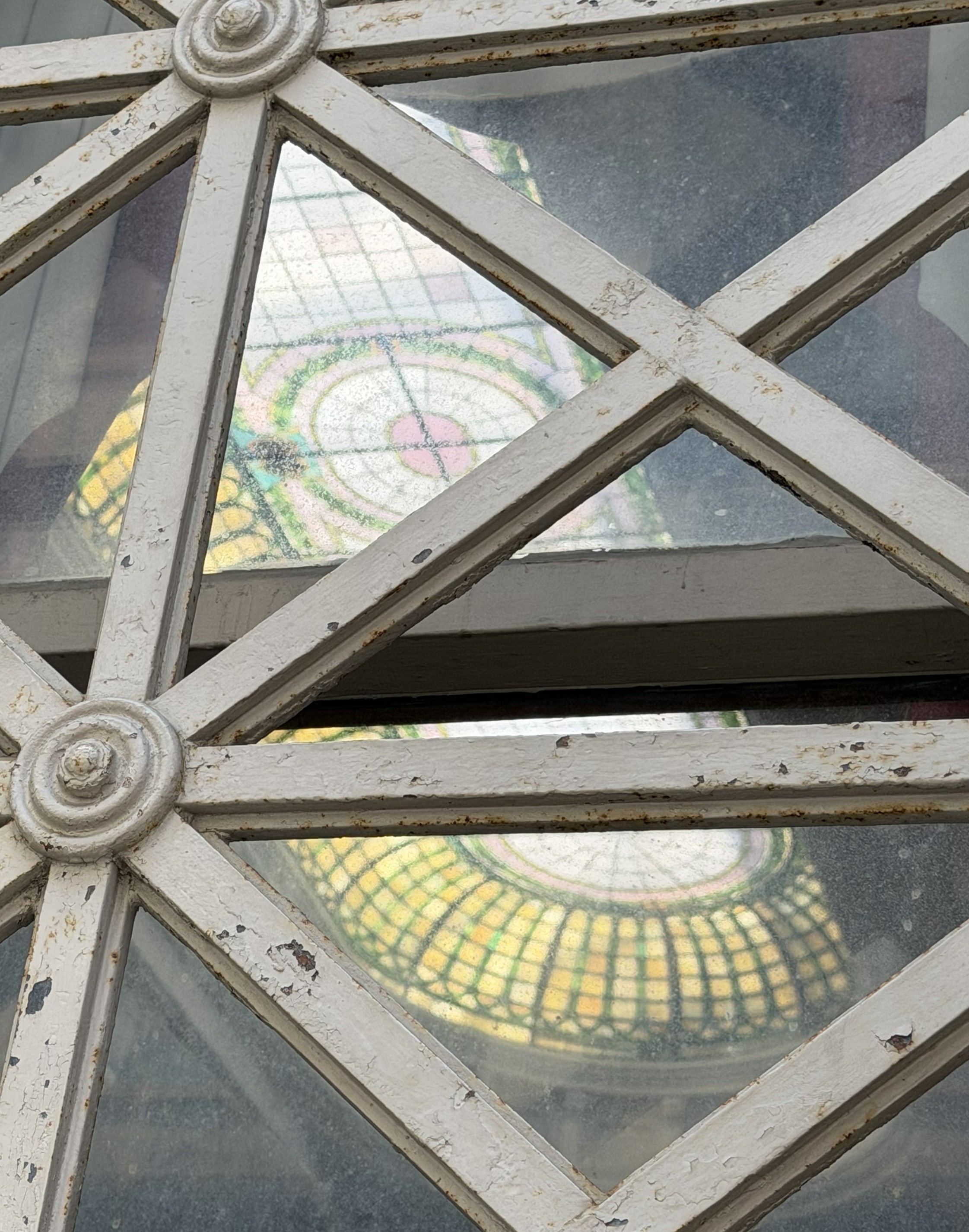
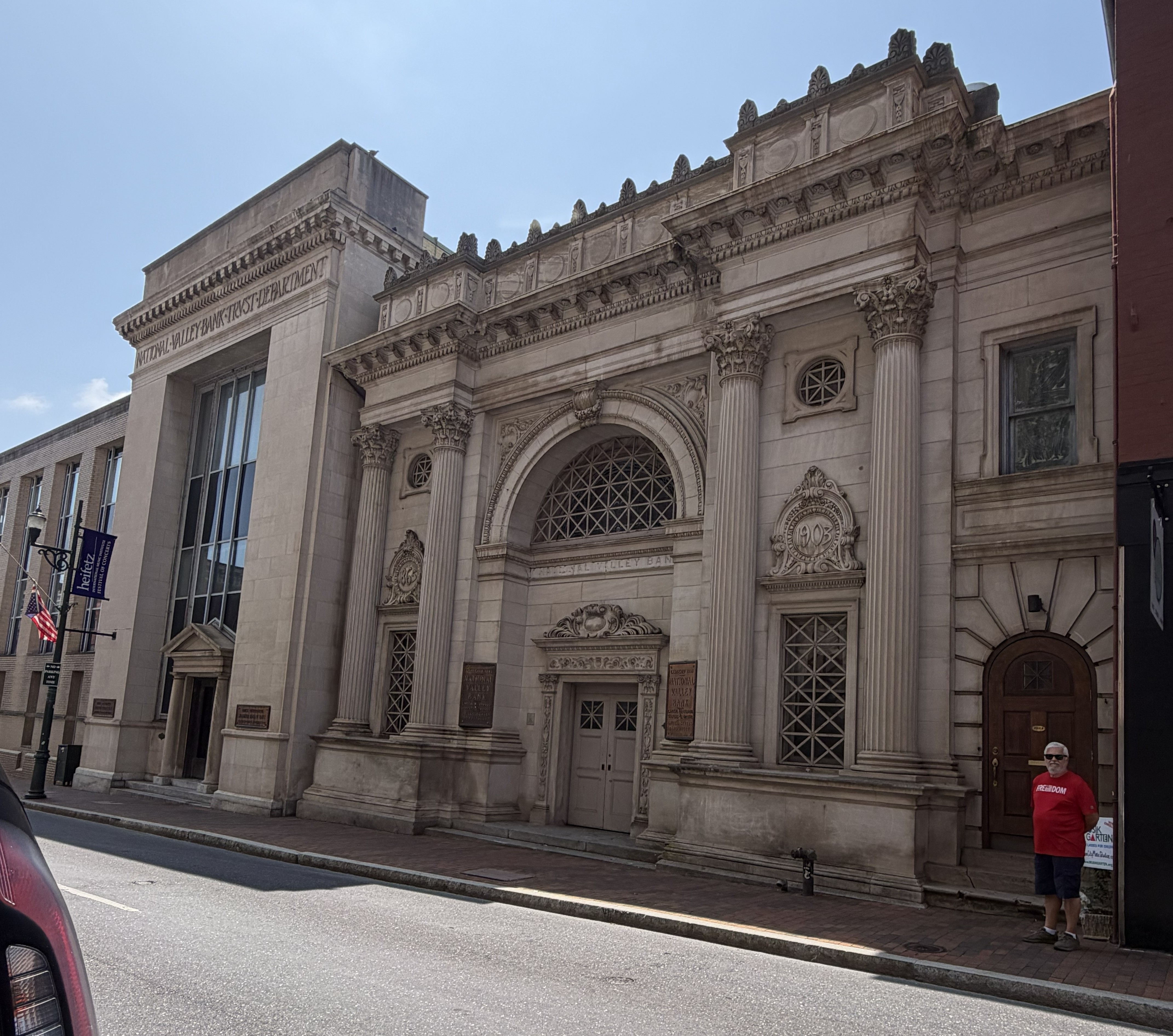
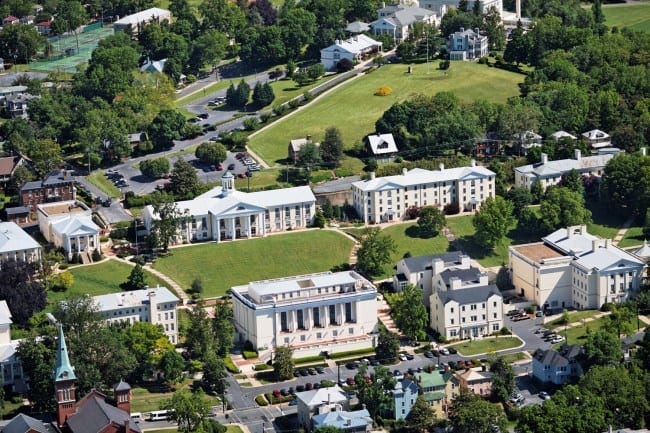
Around the corner from the library are some beautiful old buildings. The National Valley Bank & Trust isn’t open to visitors, but looking through a window we could see a giant stained glass skylight.
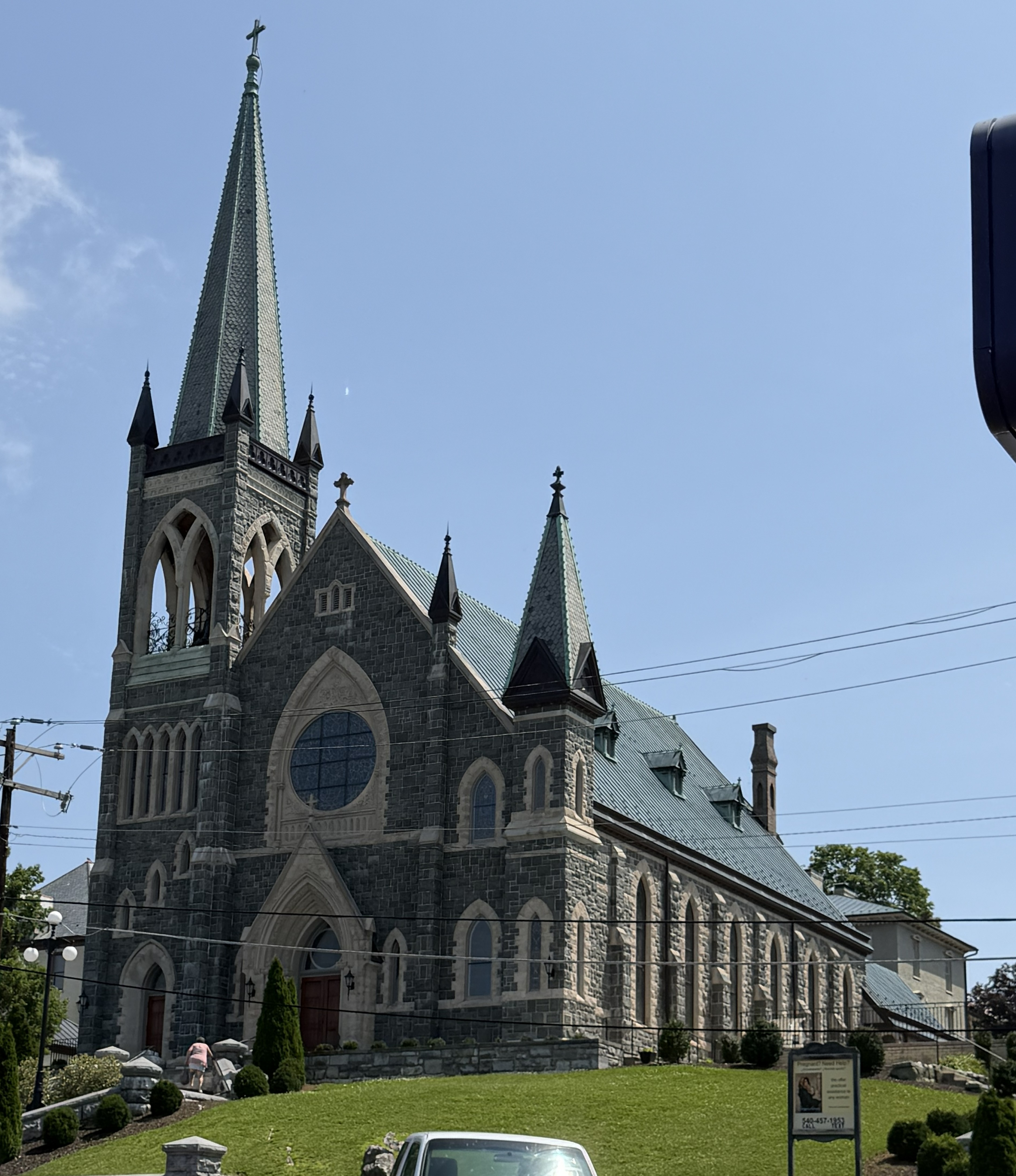
And one church also got our attention.
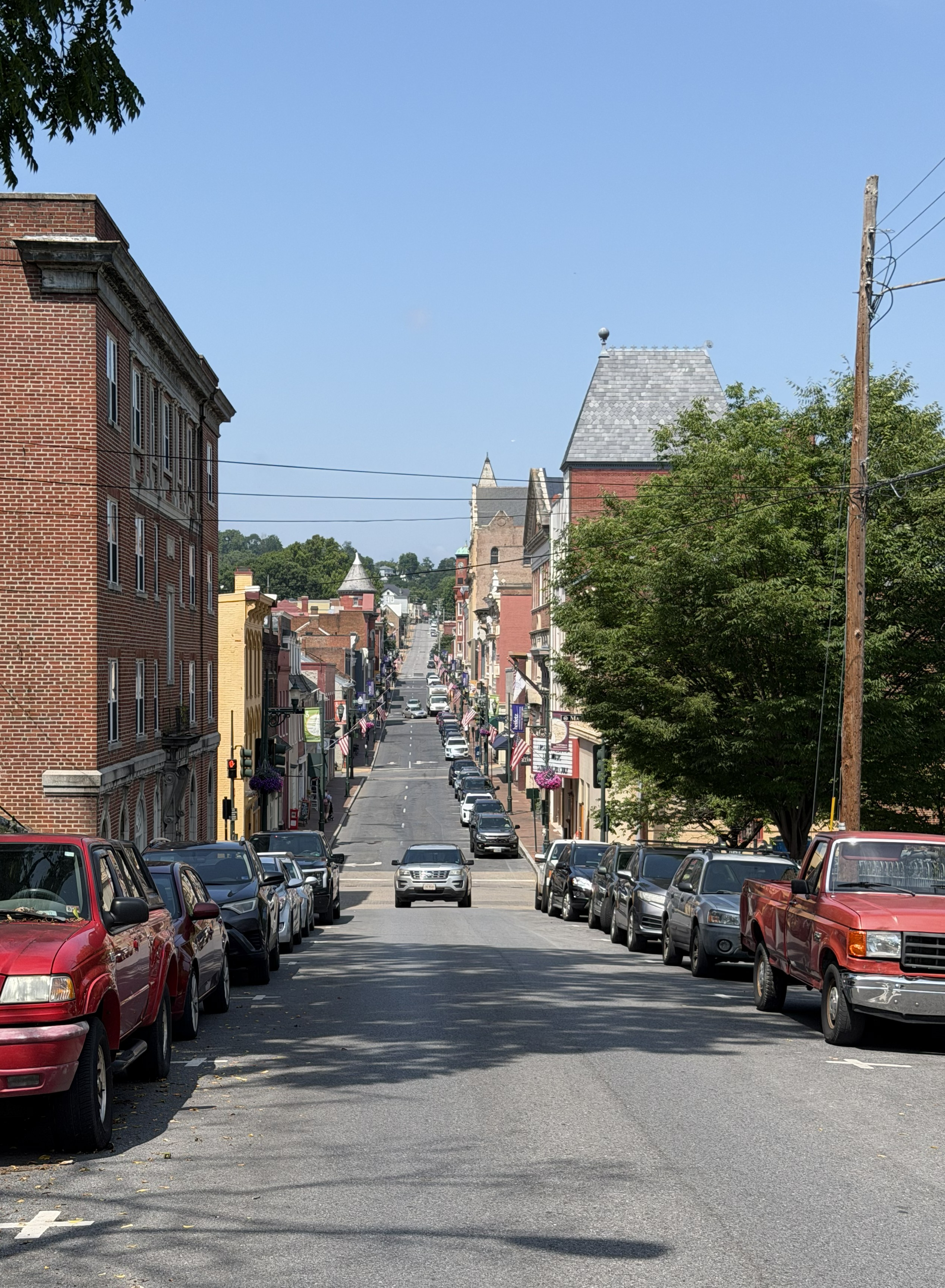
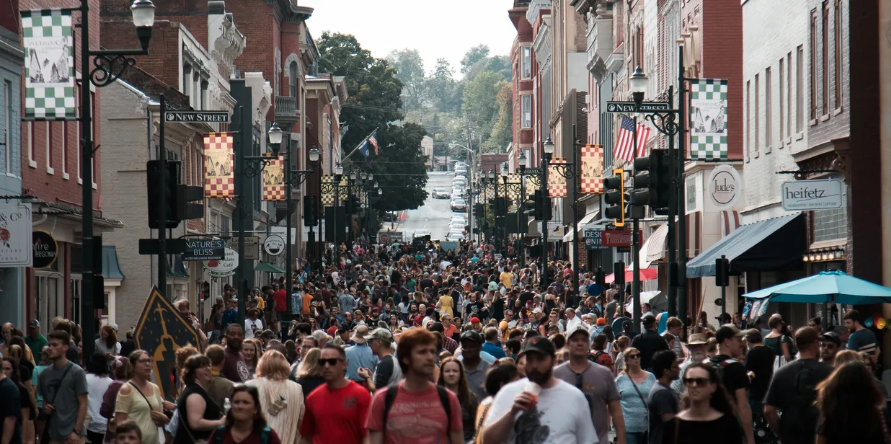
Also in Staunton (admit it, in your brain you are still pronouncing it Stawnton, aren’t you?) is the Heifetz International Music Institute. The Heifetz is a nonprofit, hosted on the grounds of Mary Baldwin University (the oldest Presbyterian Women’s University), that trains exceptional young string musicians through intensive summer study, performance, and communication training. Founded in 1996, it also presents a Festival of Concerts that brings world-class faculty and students to the community each summer. There are festival signs and street flags everywhere, and when we walked the whole downtown stretch of Beverly Street, the main drag of the historic part of town, we were constantly dodging young people with various musical instrument cases. School is IN, you go kids!

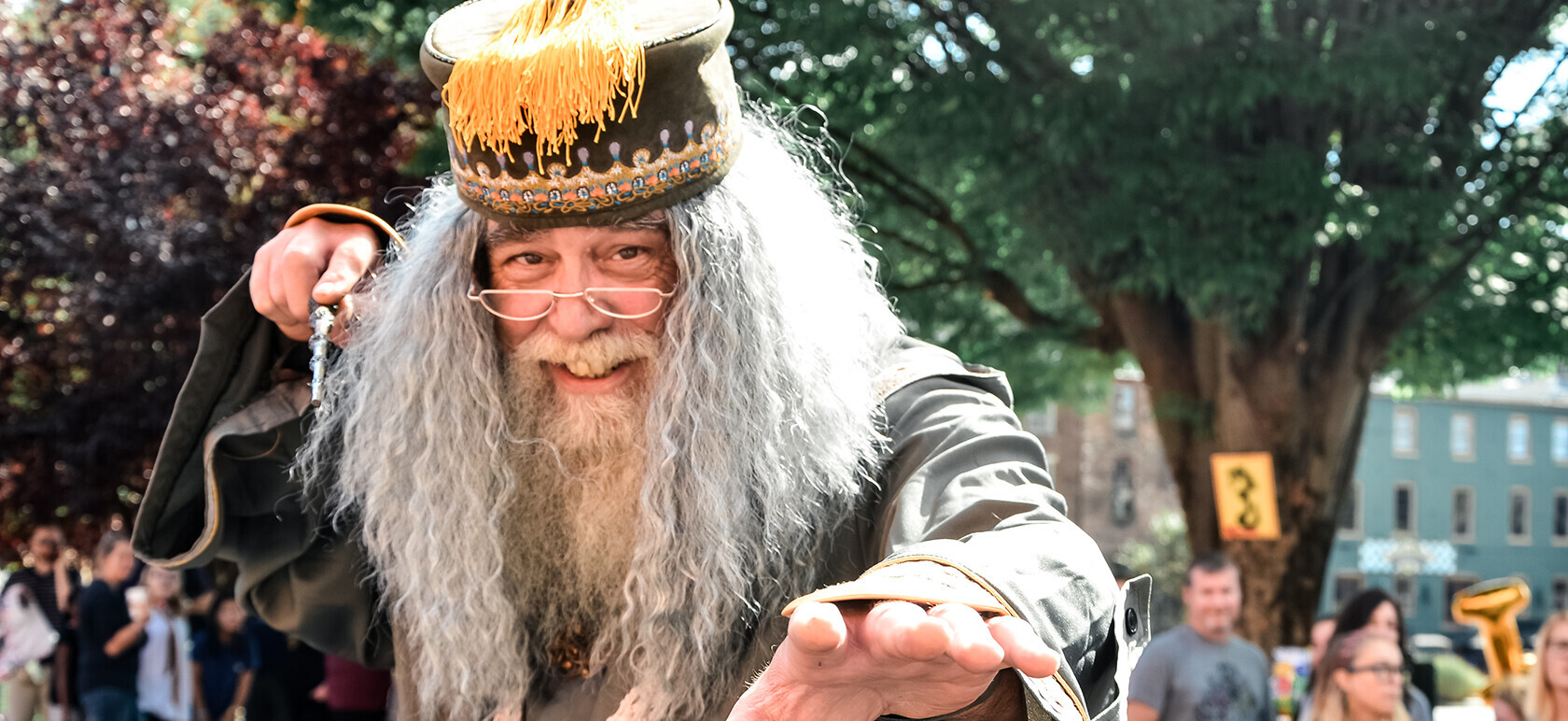
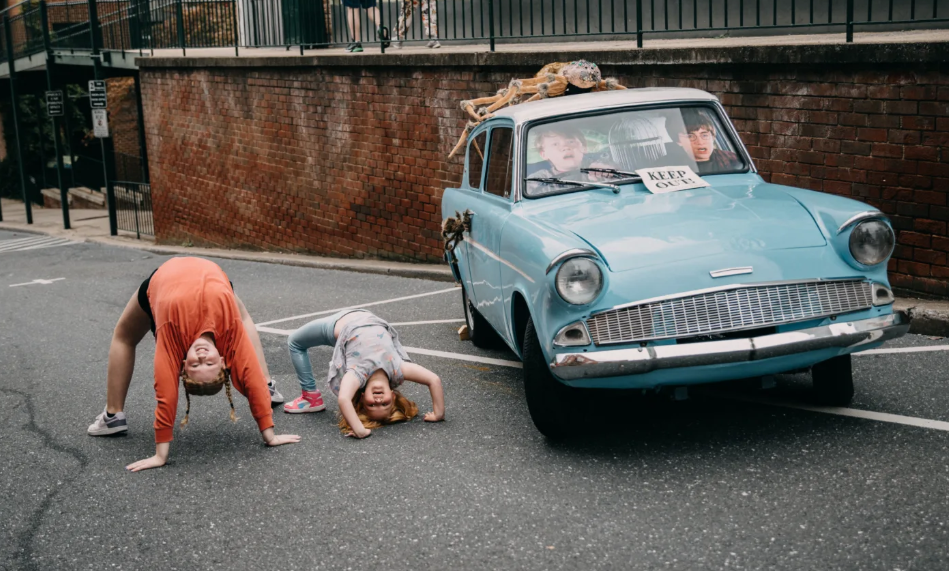
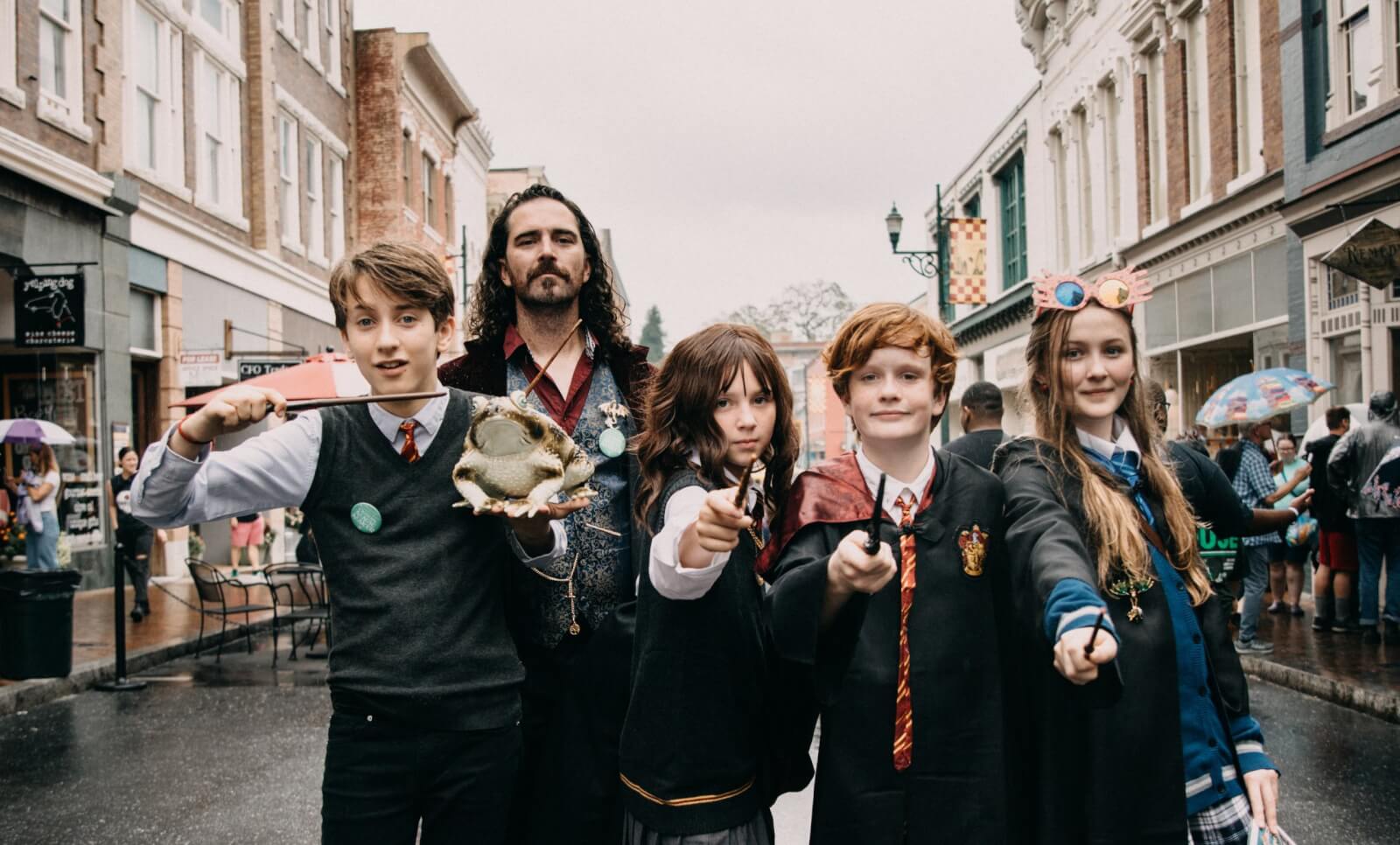
But that isn’t the only summer fun in Staunton (shut up brain! It’s StAnton!). At the end of September, Beverly Street, the entire length of about 6 blocks, is converted into Diagon Alley for the Queen City Mischief & Magic Festival. Started in 2016 as a one-off celebration of J.K. Rowling’s The Cursed Child by city manager and recent Harry Potter fangirl convert, the 8,000 attendees raised a few eyebrows and put the city council to wondering if lighting could strike twice. 10 years later is has struck many times, with the small town swelling with an additional 20,000 tourists in 2025.
Next up: Florence SC
Onward!
Tippy has become a Harry Potter fan …


 MUDDSCAPE
Warren and Wendy: Theresa UN is to a large degree financed by the U.S. and is located here but often sides with our enemies and supports things that aren’t