
Researching locations with a purpose like Salute to 250 puts one square in the sights of the civic marketeers, those people and companies that are responsible for selling the sights and scenes of a city or region to tourists. Hold that thought for a minute while we set the stage to make a point.
We began our trip planning around RevWar and Civil War battlefields and history.
[Keep holding the previous thought and put this one beside it: why does the Revolutionary War have a cool nickname like RevWar, and the Civil War doesn’t? I think that’s because we don’t celebrate the Civil War like we do RevWar. Anyway, just sayin’, having a cool name like CivWar would make for easier repetitive typing. Having these types of thought interruptions is what it’s like writing at 3:30AM.]
Getting back to our trip planning, it became obvious that we wanted to travel completely different routes to Maine and back, the northbound route taking us westward into the Appalachians and the southbound route traveling closer to the Atlantic seaboard. But it became obvious that the farther west you went, the more likely it was you would be tripping Civil War and not Revolutionary War. The simple reason for this is that in the late 18th century, it was nearly impossible to stretch British supply lines that far into the interior of the country, given the ruggedness of the territory and the sparseness of the road infrastructure, and there weren’t that many rebellious colonials that far west to form militias that made any sense. So, the men of the west traveled east to fight, and the war never got that far.
[OK, I’m clearly going to be writing about the Civil War a lot until we get past Gettysburg, so I’m just going to do it and coin CivWar as the cool nickname. There isn’t much money in doing that (none to be precise) but I’m going to do it anyway. Thanks for bearing with me.]
Back to the marketeers, when you wade into the internet pool of information about a specific location, for instance Summerton South Carolina, you will get fed links for national and state battlefield parks, famous figures, period forts and fortifications, and monuments. There are plenty of pictures and lots of stories to grab your attention and try to convince you to put a pin in that location as a destination. This is true for RevWar and CivWar alike.
But that doesn’t mean the quality of the information is the same. It just reflects the integrity or diligence of the chamber of commerce or tourism bureau charged with putting it up on a website to begin with. For example, the information regarding Fort Watson was complete and accurate. The information regarding Sutton West Virginia was sketchy at best. Camden South Carolina, “Historic Camden”, was spot on. RevWar hyping for Asheville North Carolina was pretty overblown (we found one single monument, see the last blog).
The point here is that we knew all of the research might not robustly match the actual location. And we planned for that. In Asheville we swung and missed on RevWar and gravitated to more travel related content. In Sutton West Virginia, we hit a dry hole on RevWar, so we pivoted heavy to Civil War. In spite of the obvious internal political struggle that the CivWar represents, there are still plenty of heroes in this era that helped to make America the most powerful nation on earth, and fighting this war and recovering from it as intact as we did is an example of American grit and persistence. We will also showcase this Hero Class.
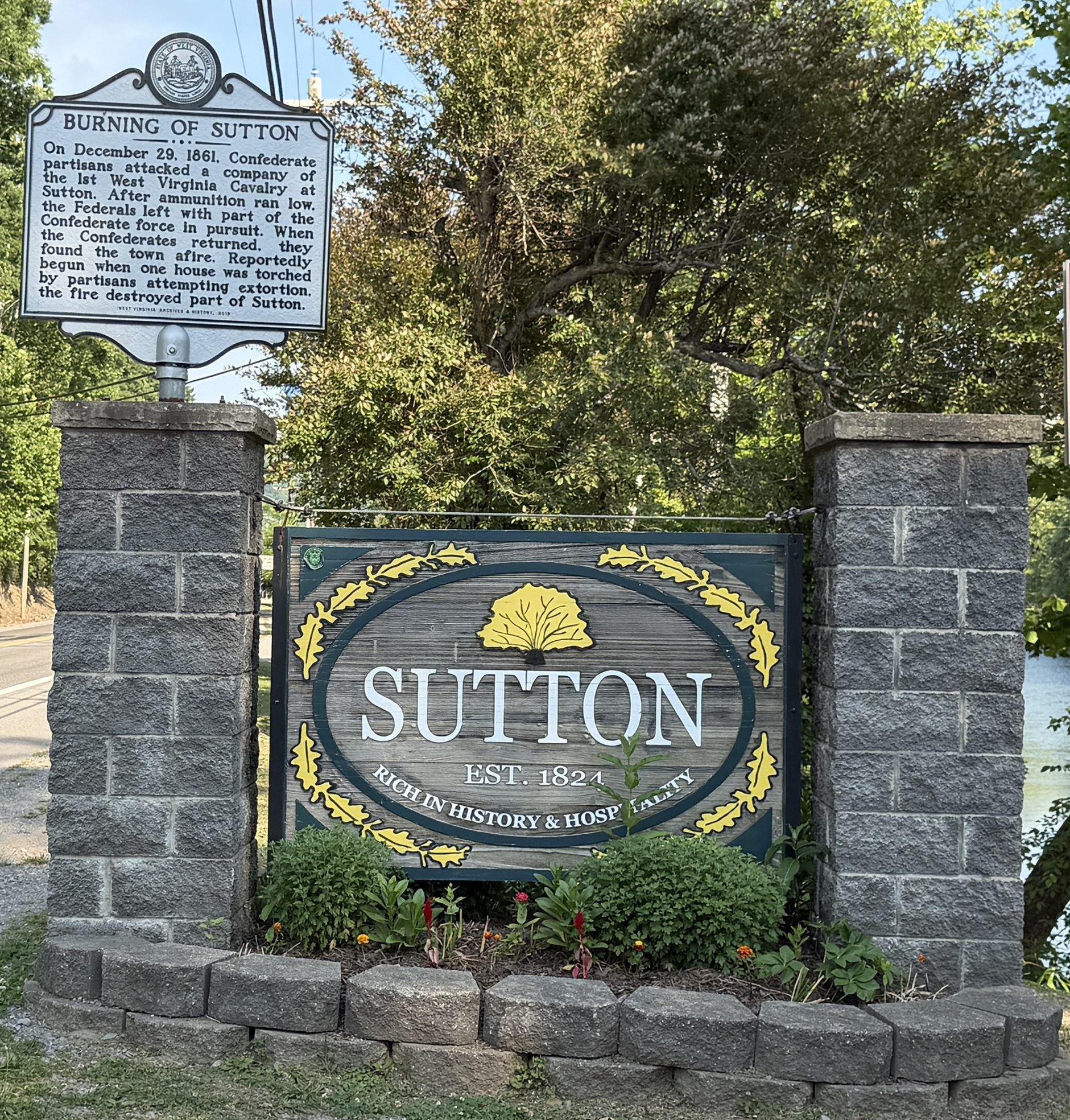
We arrived into Sutton and got set up in Flatwoods KOA with enough time for a drive into downtown historic Sutton to check out the list of sights. Sutton is a mere shadow of its former self, with lots of vacant and decaying buildings and not too many historic buildings that had anything to do with the Civil War, despite the advertising saying different.
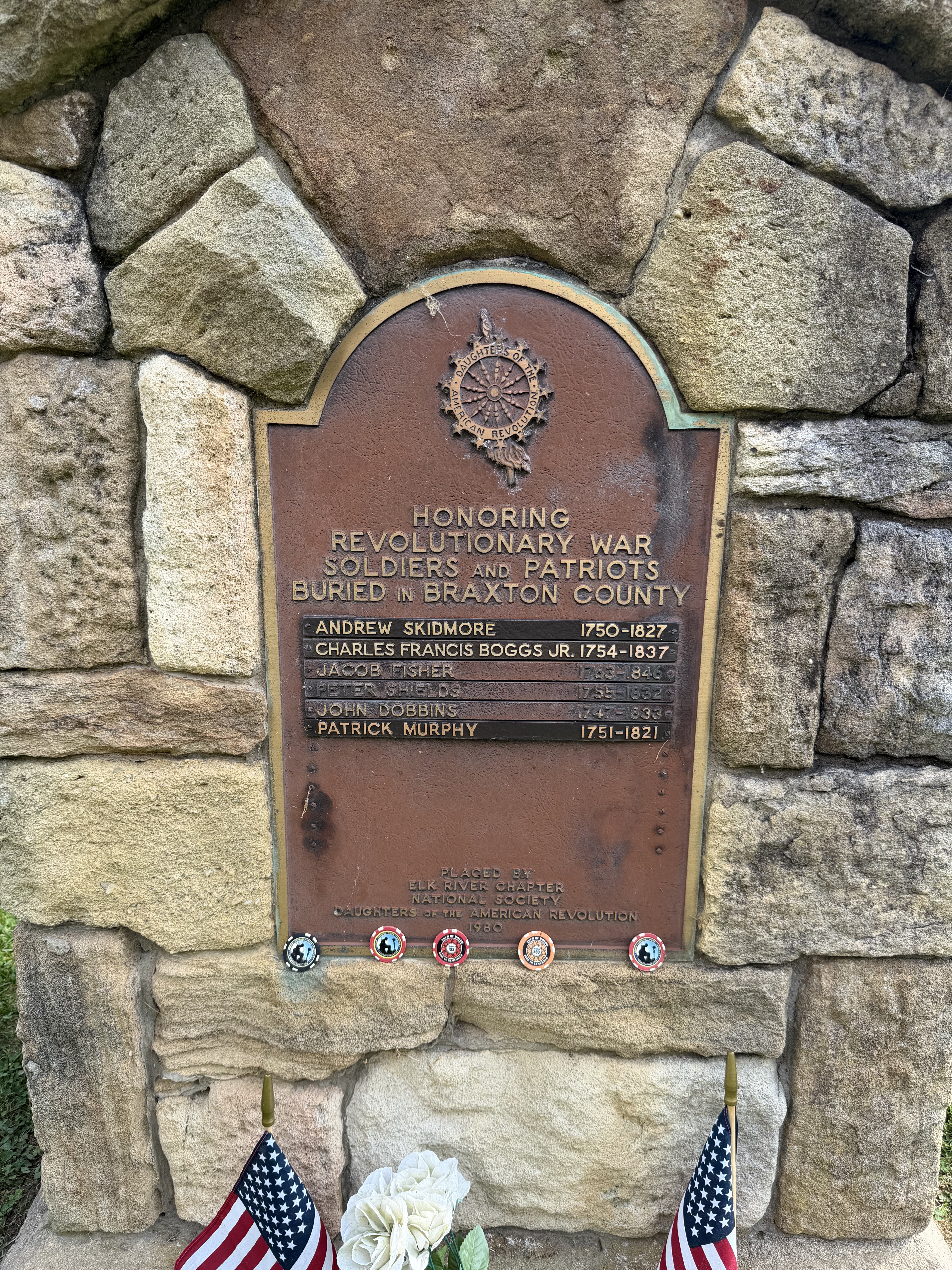
One hour of a walkabout netted us one monument that commemorated Revolutionary War Soldiers and Patriots Buried in Braxton County and we call out their names here in remembrance: Andrew Skidmore, Charles Francis Boggs, Jr., Jacob Fisher, Peter Shields, John Dobbins, and Patrick Murphy. We thank you for your service.
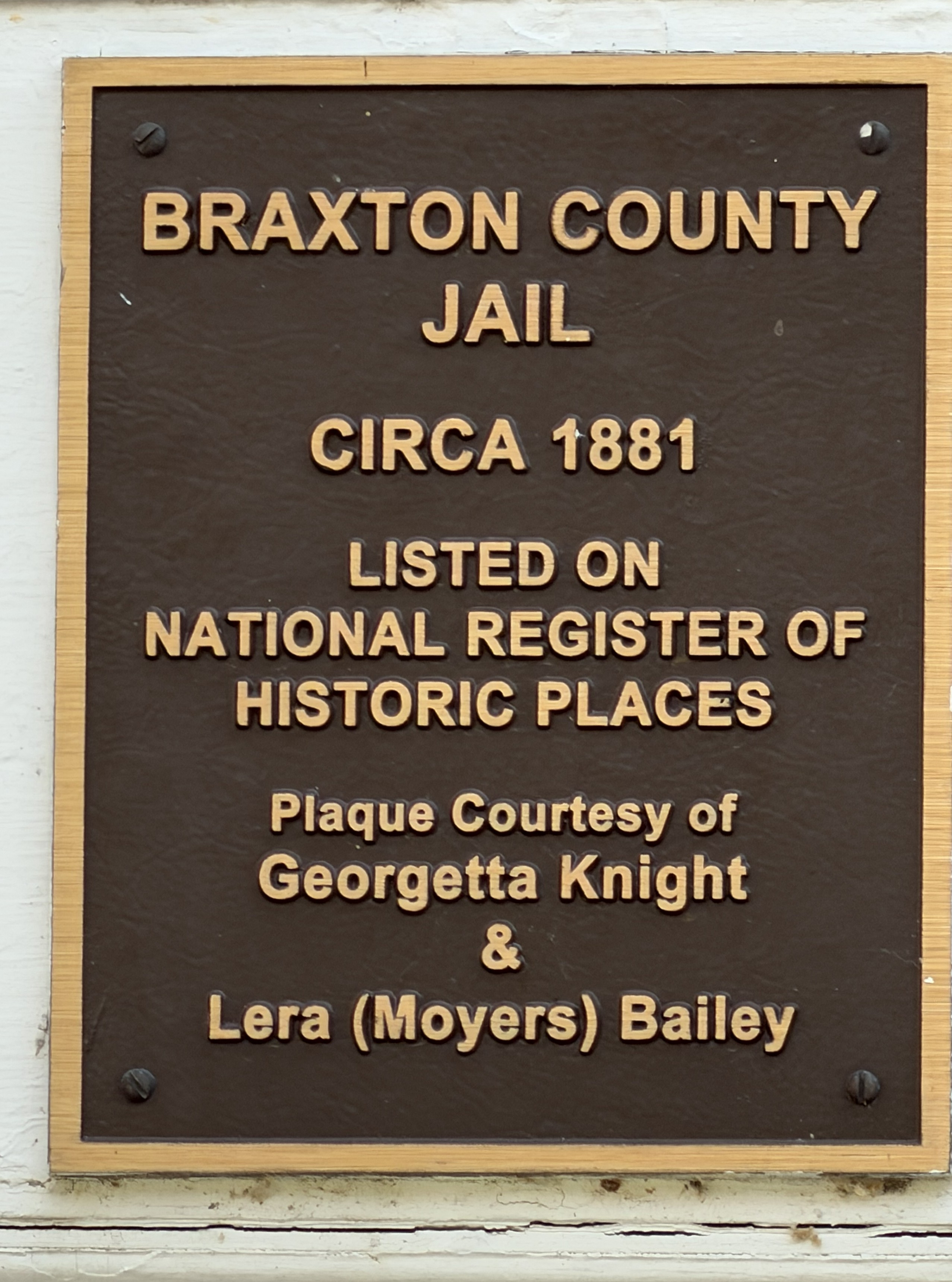
We did scoop up some CivWar factoids as well, but they weren’t the rich lode that we were expecting. Examples: more was dedicated to the post-CivWar construction of the Braxton County Jail than to the adjacent CivWar Cannon Restoration project. There is history here, it doesn’t get the memorials and monuments it deserves.
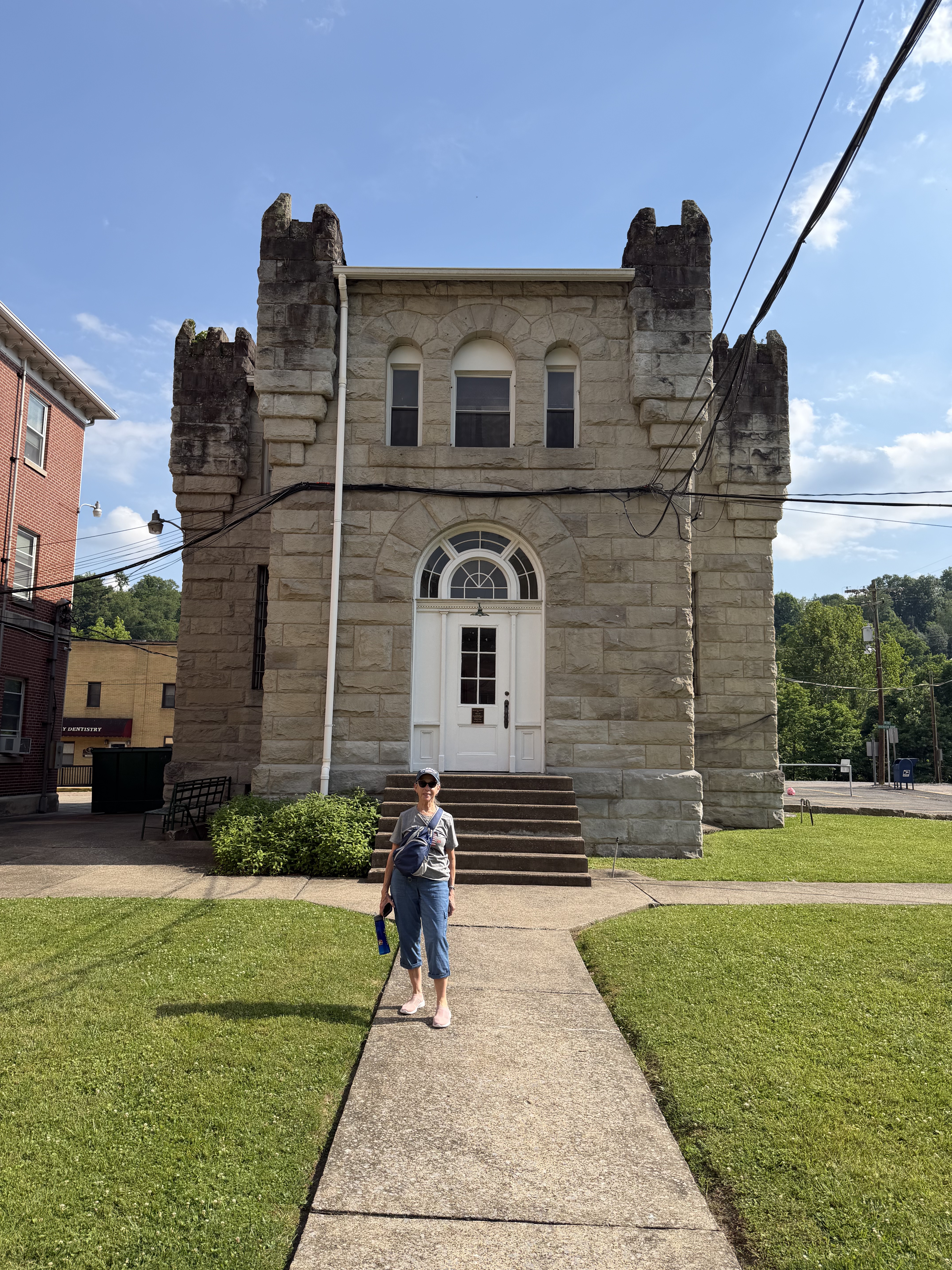
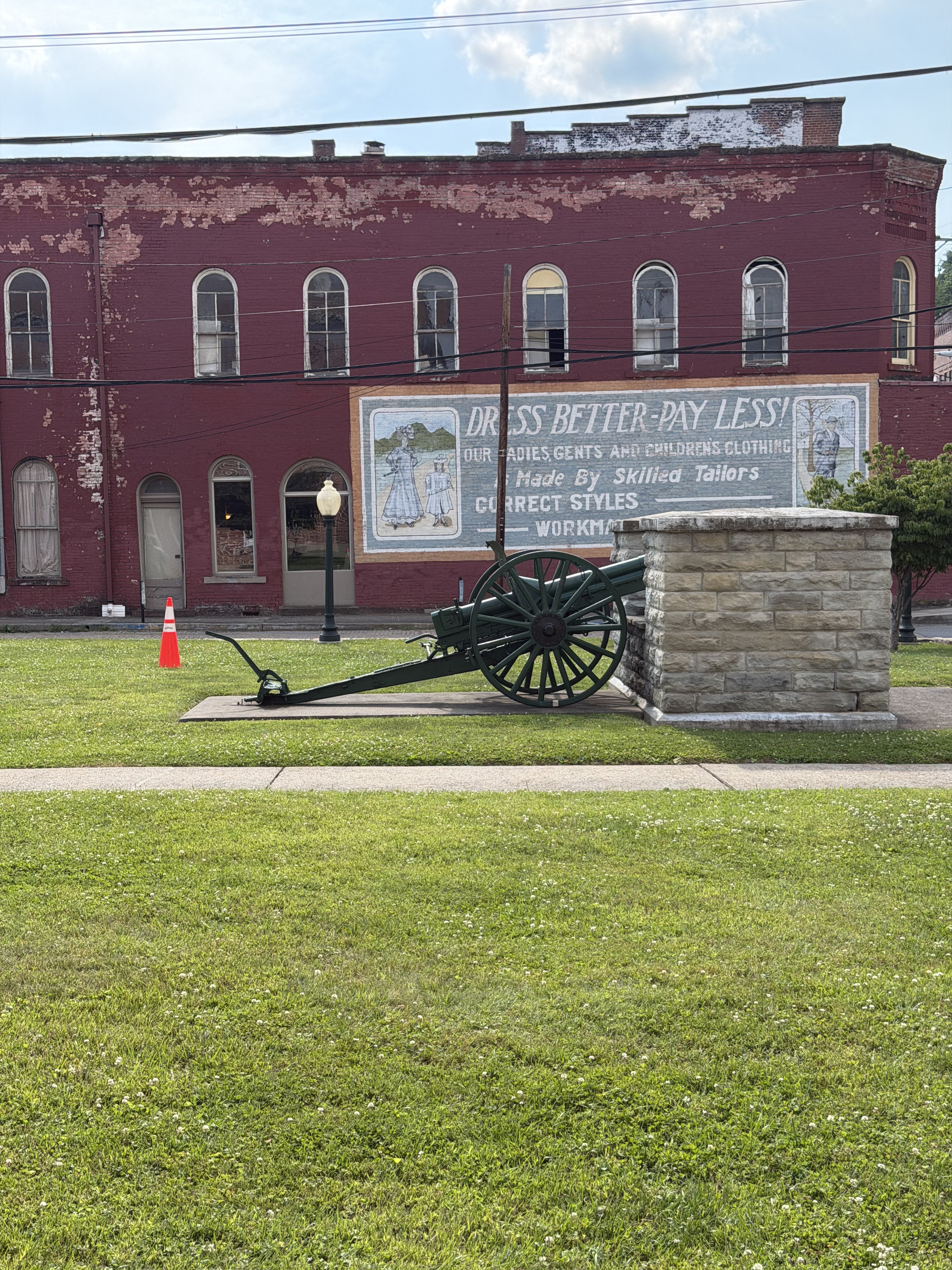
The one marker we found detailed out a notable battle that ended way different than most would imagine. Early in the war on December 29, 1861, the Moccasin Rangers, confederate troops under the command of Captains John L Springs and George Downs, attacked the earthworks fort built at Sutton and defended by Federal troops under the command of 2nd Lt. Andrew Dawson. His 2 superiors, Capt. Weston Rowands and 1st Lt. Charles D. Lawson, were away at the time. After 6 hours of fighting, the ammunition of the Federals ran low, and they withdrew with the confederates in chase. The chase petered out after 3 miles and the Rangers returned to Sutton to find it mostly burned to the ground. It seems that a small detail that stayed behind had tried to coerce a local resident into giving up their supplies by threatening to burn their house down. When the resident resisted, they set fire to the house which quickly spread to the remaining town structures. The Mocassin Rangers eventually withdrew south after burning the rest of the town down, and the Federals retook Sutton, relocating the population to another nearby town while Sutton rebuilt. All of this fighting was over a suspension bridge that was deemed critical to movement in the area. There is no word on whether the suspension bridge was also burned.
We escaped the heat and humidity (90/90) and got back in the air-conditioned truck and headed back to the campground. In situations like this we stretch our target zone and draw a 1 ½ hour travel-time circle to see what we can snare, planning on spending the next day in a loop or triangle to cover as much ground as possible. This radius yielded one significant Civil War battlefield and the state capital of Charleston, each about 60 miles away but in different directions, so we built a triangular shaped route that took us at least 100 miles on country and mountain backroads, a fantastic way to get a real feel for a region.
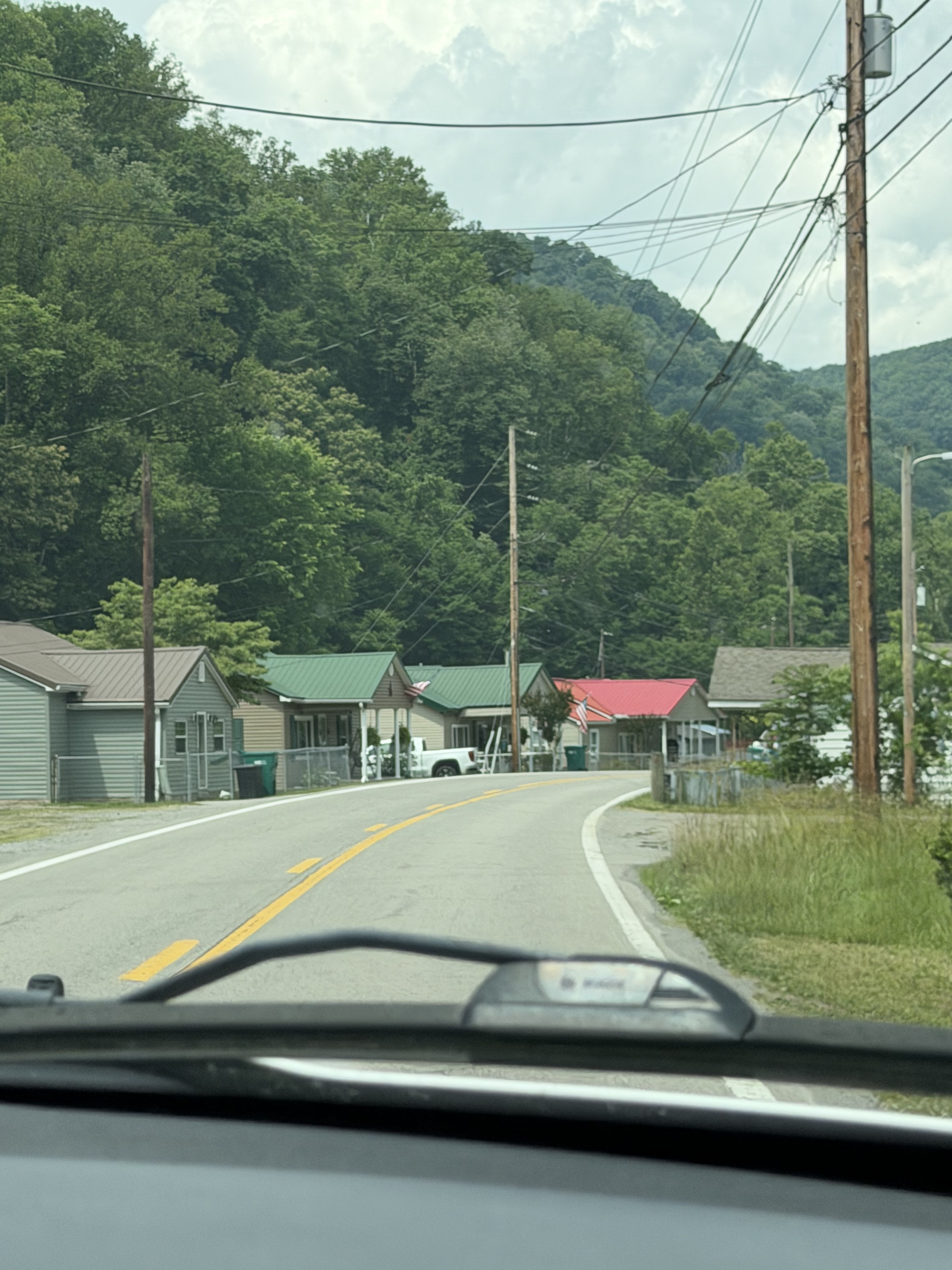
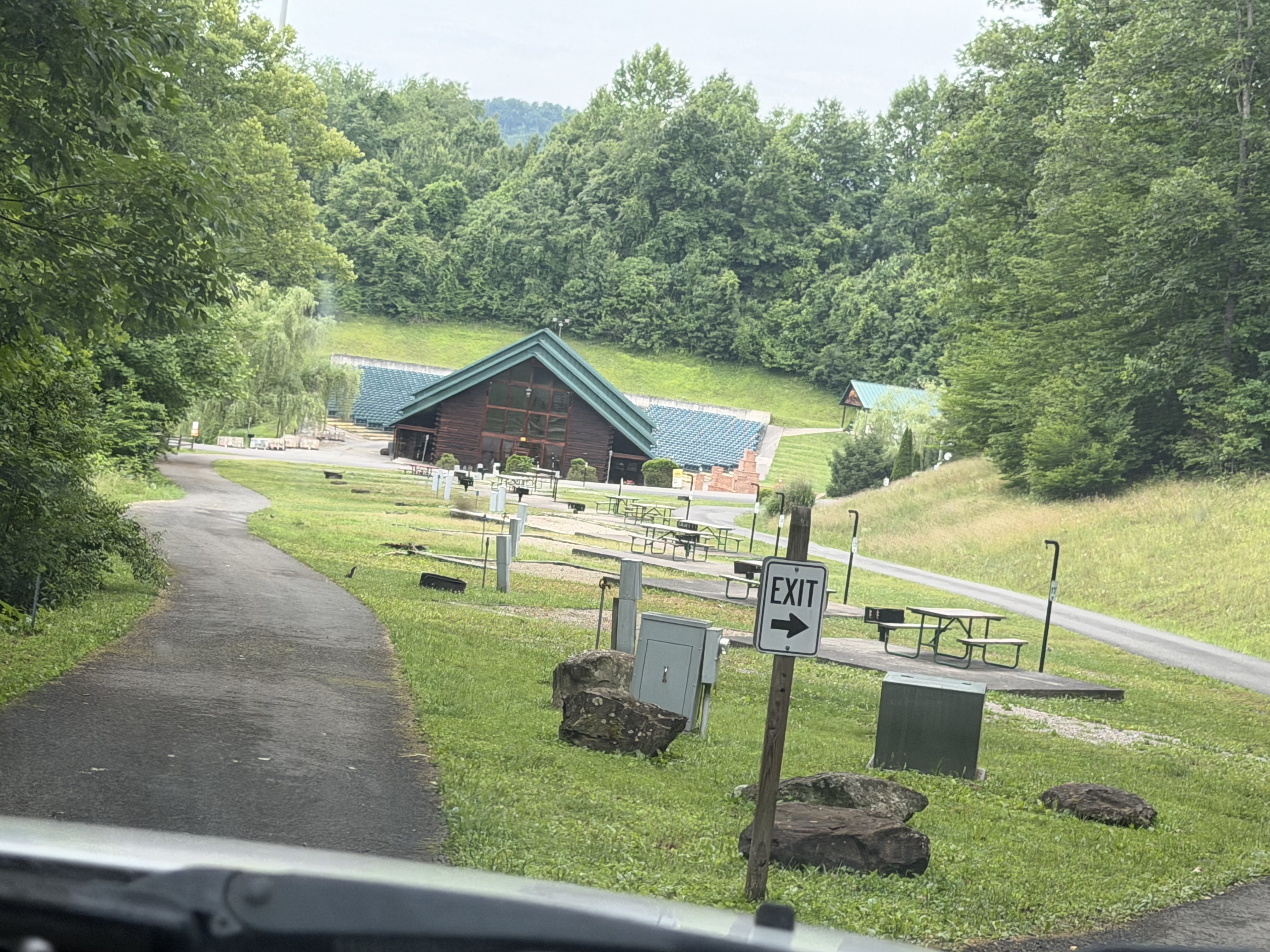
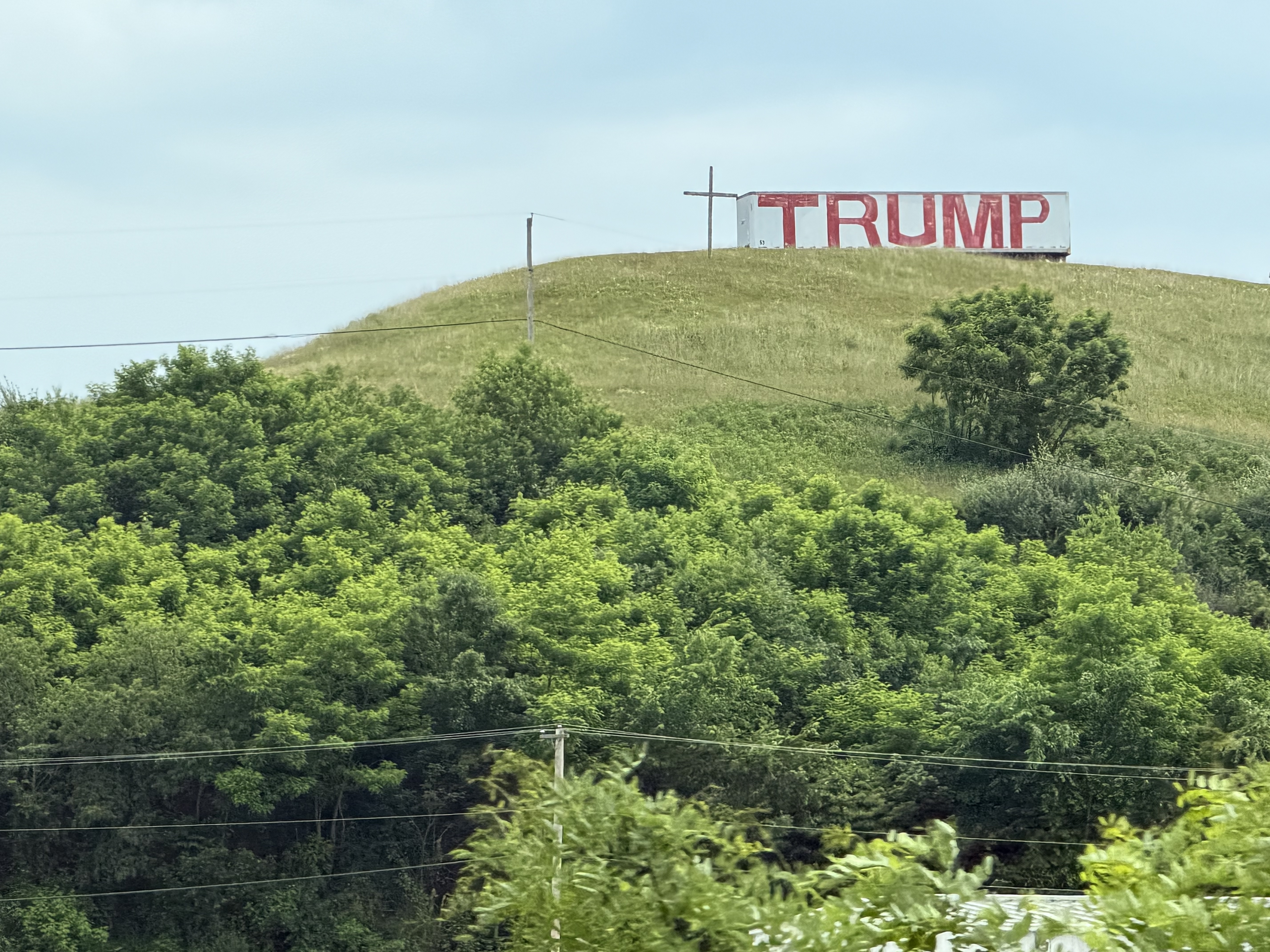
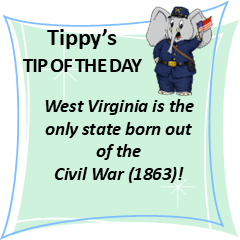
Monday morning, we got an early start and headed for Carnifex Ferry Battlefield State Park, about an hour south. This is a beautiful park, very well maintained, but sparse on historic structures and sights. The actual battle at Carnifex Ferry was very significant, but not for the reasons you might suspect, a Union or Confederate victory that was significant to the end of the Civil War. Not even close, this one happened so early in the war that it wouldn’t have had one iota of influence on the outcome. But there was another conflict brewing that this skirmish settled. For decades the western counties of Virginia has been discussing separating themselves from the eastern counties because they simply didn’t have anything in common. On slavery, the east, highly agricultural, was very pro slave ownership. The western, more mountainous counties were just the opposite. Their economies were dependent on totally different things. Even their religious leanings were different, and their foods and cultures had split long ago. There were 2 attempts prior to the 1860’s to split the state, and both failed. But then along comes the Civil War, and tada!, a reason emerges to finally pit one side against the other. It wasn’t much of a contest with the Federal (Union) troops outnumbering the Confederates 7000 to 2000. At the outset of the battle the rebels successfully repelled most of the union’s more inexperienced piecemeal attacks, but the union artillery overcame them and that night they retreated across the Gauley River under the cover of darkness and disappeared. The rather unconvincing Union victory became the catalyst for a referendum for statehood that successfully survived the Union congress, who perceived the westerners as allies and voted them independent, and Lincoln signed the 35th state of West Virginia into the union in 1863. West Virginia, the only state born out of the Civil War. We didn’t see that one coming.
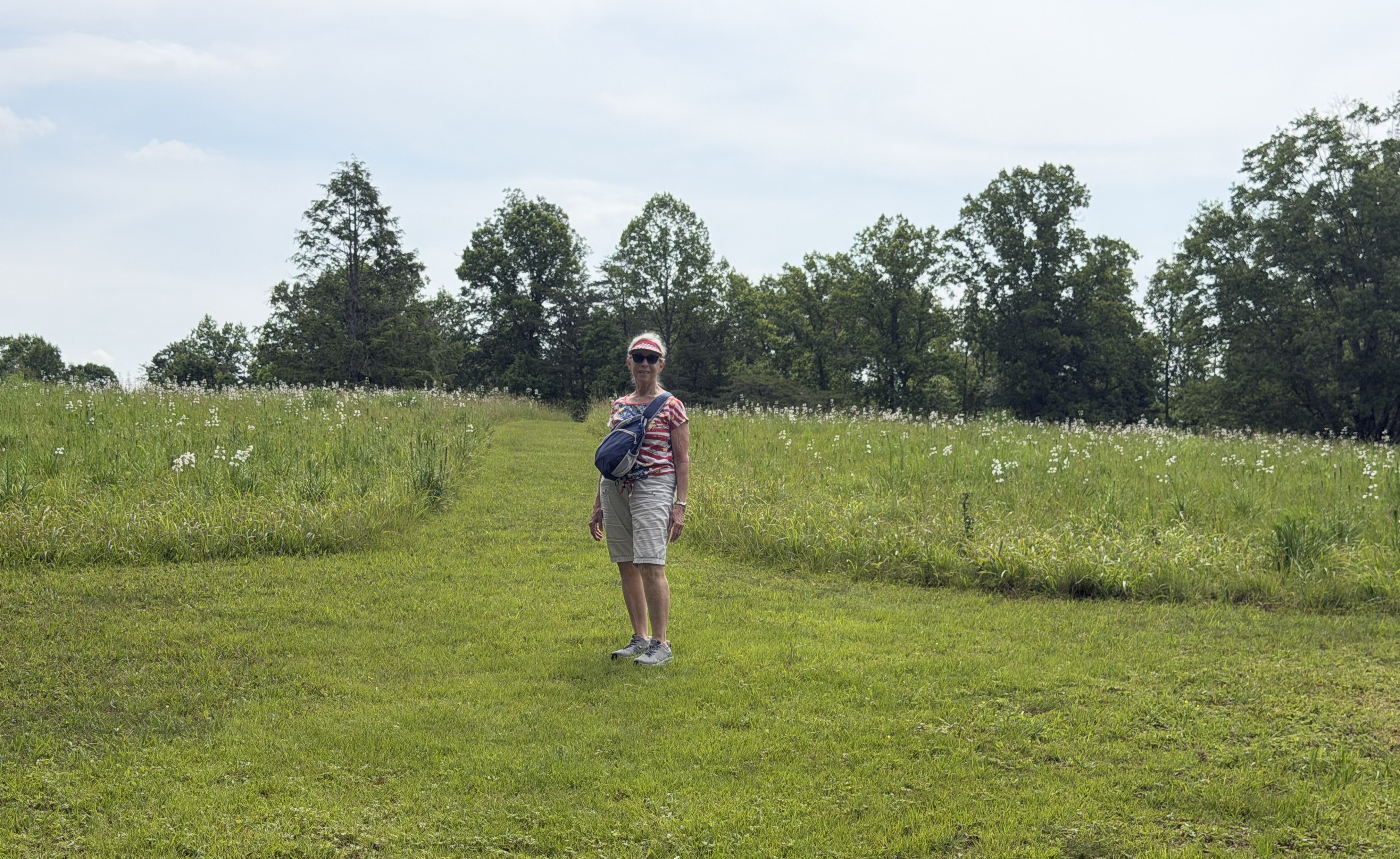
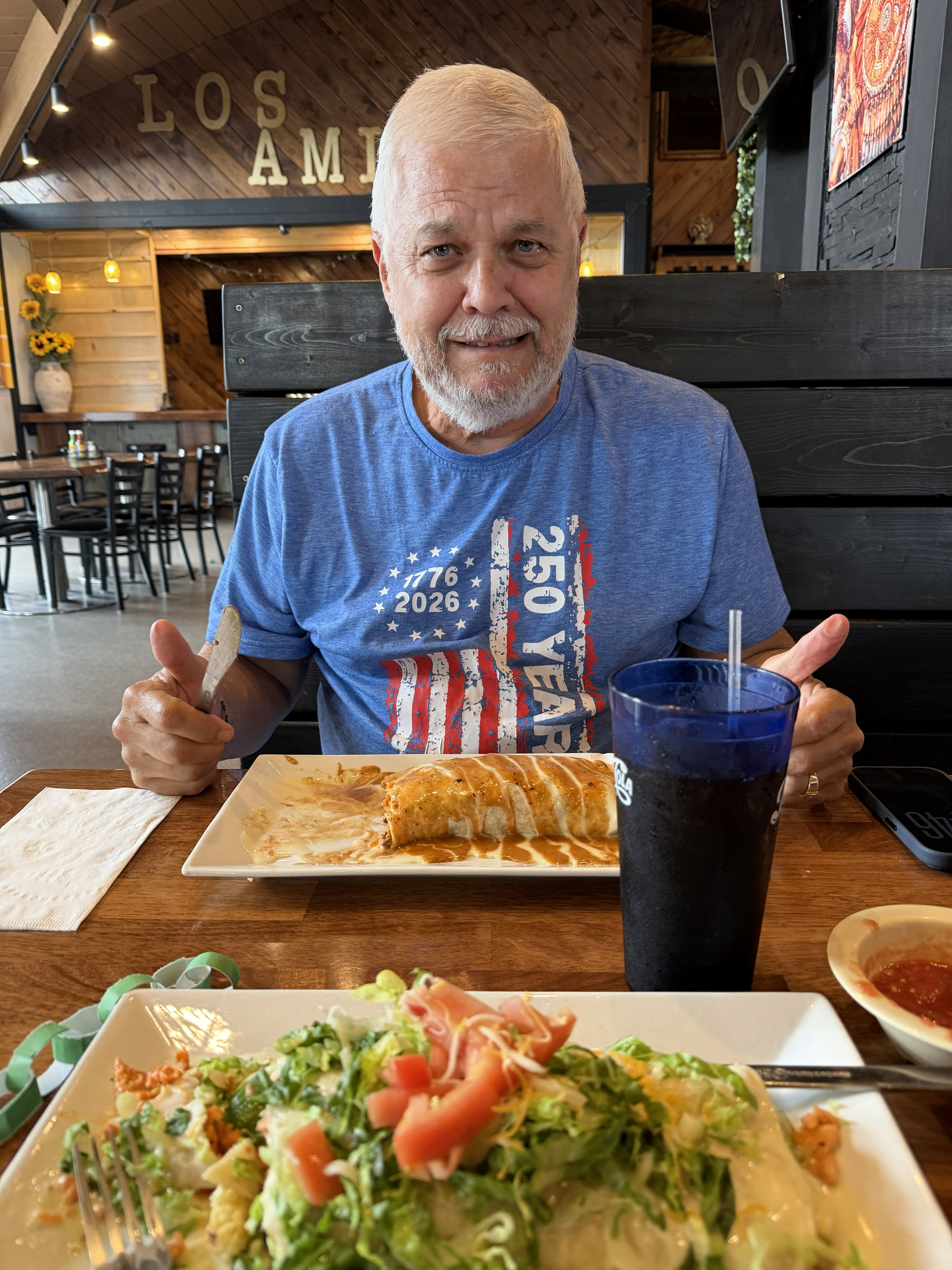
Another hour to the west is Charleston. The actual draw there for us was twofold: we have a thing about seeing state capitols, particularly the state house buildings; and second, we were jonesing for some Mexican food and figured out a state capital should be able to fulfill it. It turns out there are quite a few options in Charleston, we didn’t see that coming either, because the population in West Virginia is almost uniformly white.
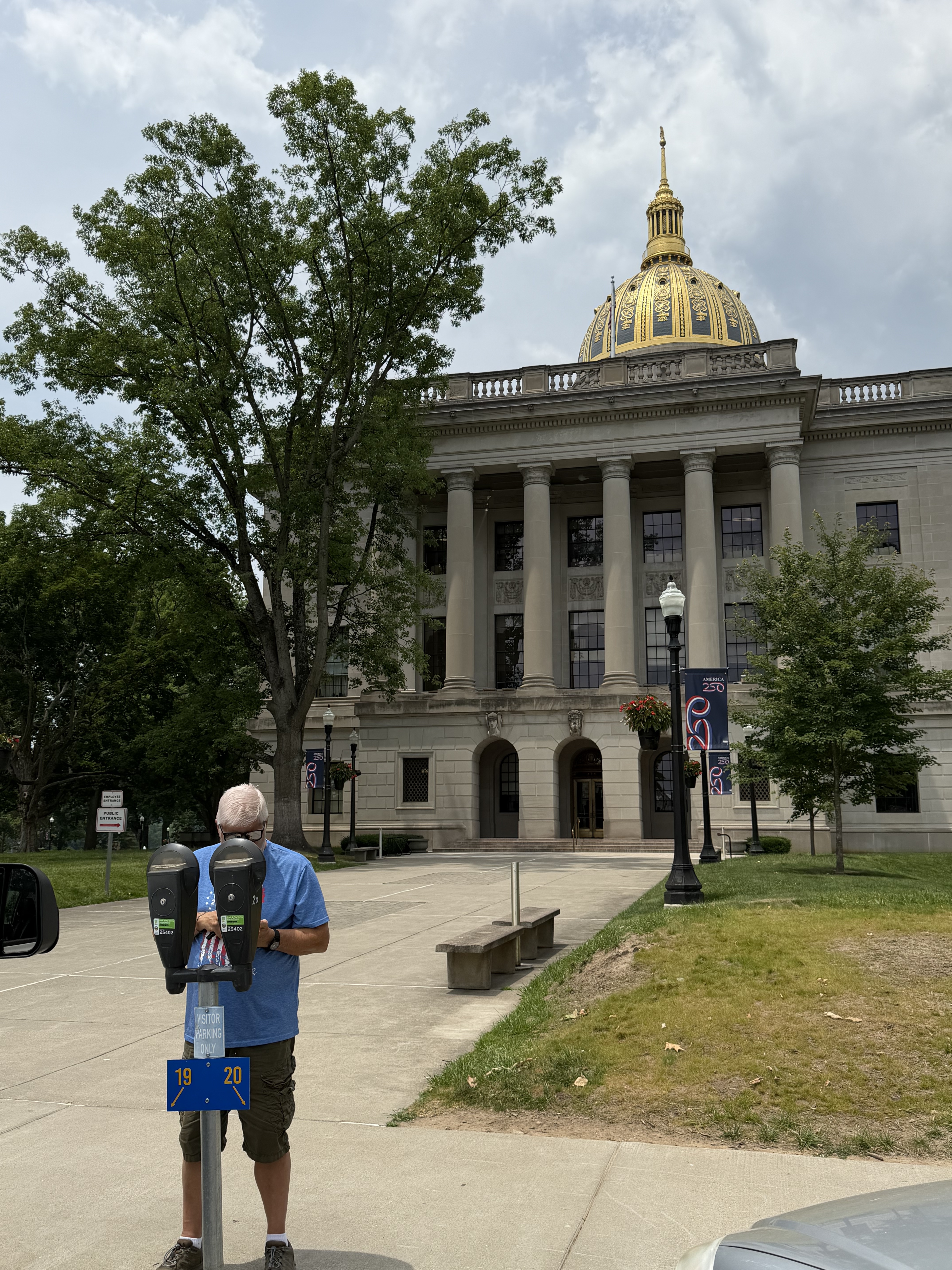
The capitol itself is spectacular. Wendy looked up on their website how tours are operated, and it advised that we call for a “same day” tour reservation instead of booking online. They might have a Disneyland ego issue at the capitol because we drove up, parked, walked in and joined the 1:30 tour (3 other folks) just as it started. From the website information I could have easily expected 20 eager tourists, with a wait list for the 2:00 tour.
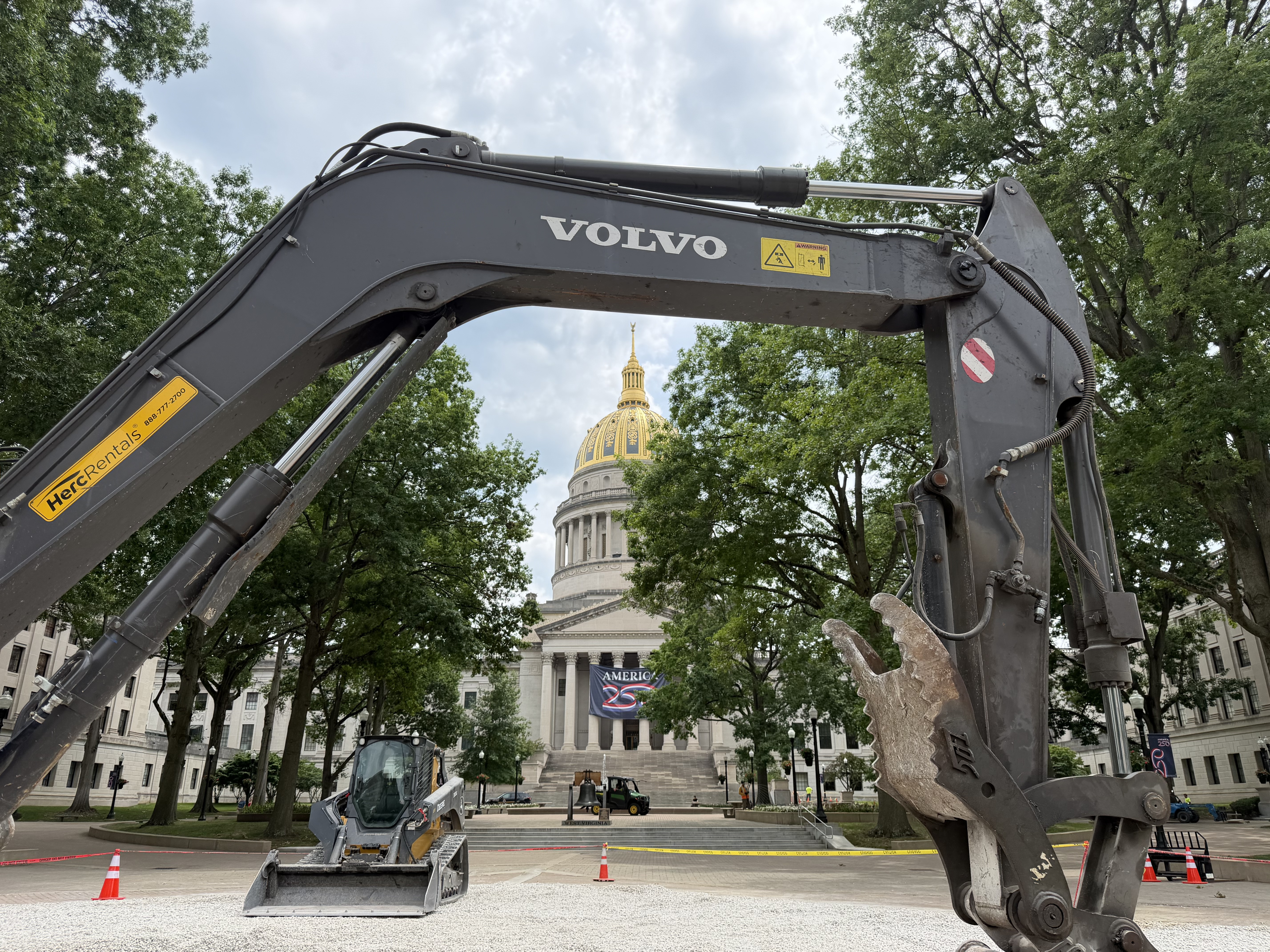
There must be a contest running that we normal citizens aren’t aware of to make the grandest State House with the highest use of marble. This one would place well. It is enormous for such a small population, and virtually everything your eyes fall on or your fingers touch is marble. The tour indicates that there was initially not enough money to finish it after the original one burned down, so they just built what they could and then continued working on it as the money became available (they only added artwork 2 years ago). The work is excellent and impressive, topped off by a massive gold-plated dome at the center that is easily visible from either end of the long skinny town that straddles the Kanawha River.
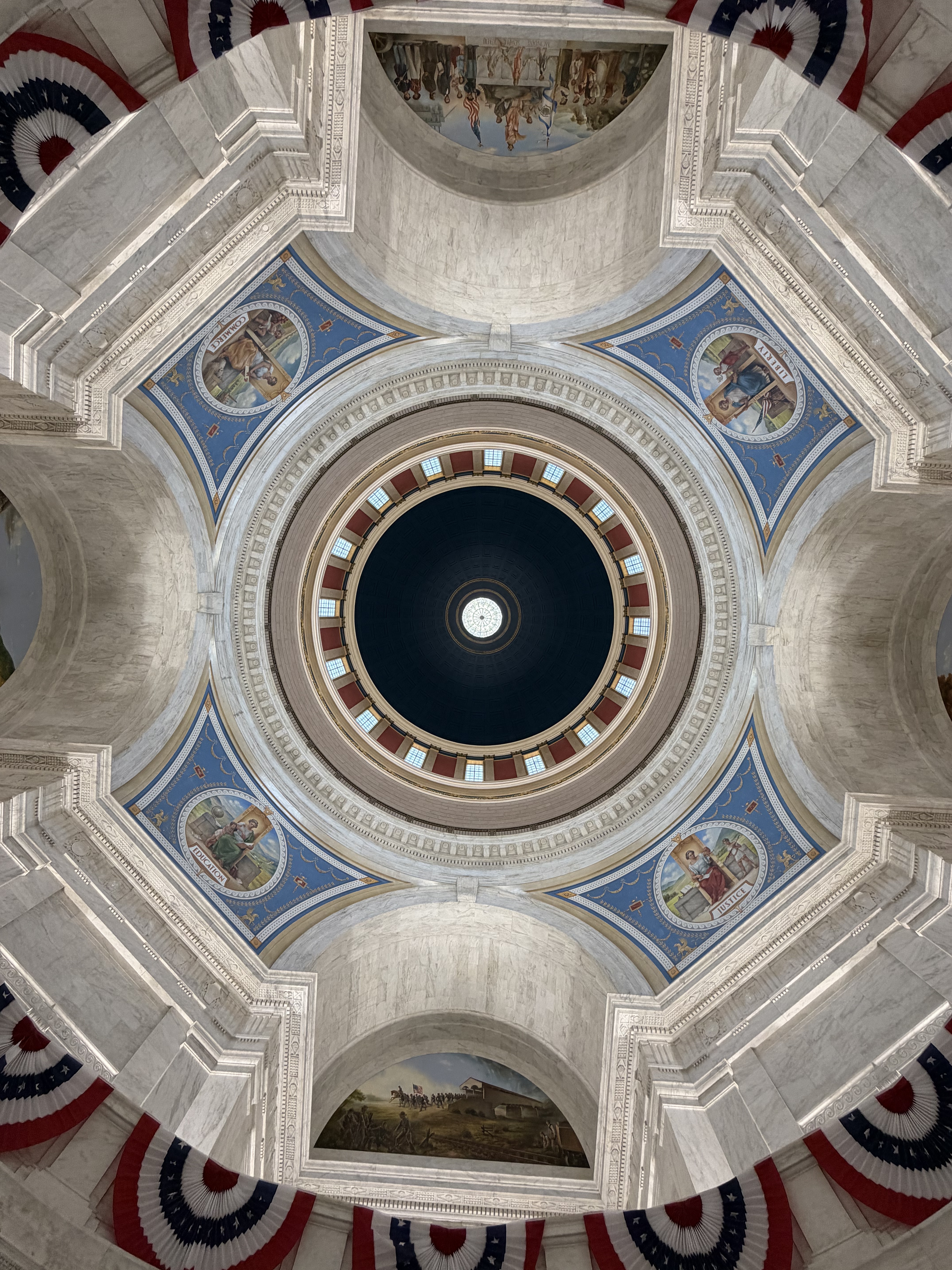
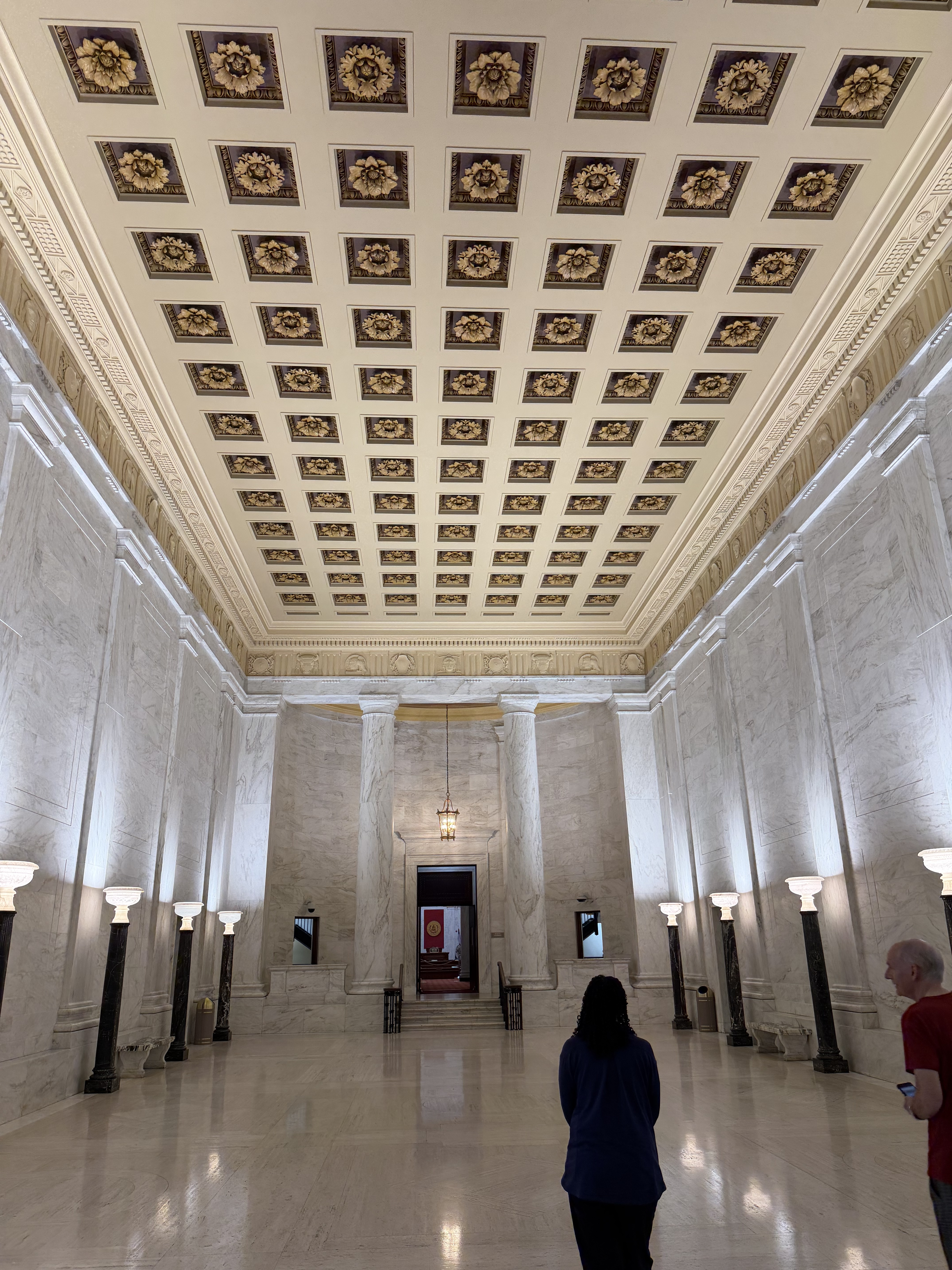
We learned that for a long time after statehood was established, the dominant political party fluctuated back and forth between Democrat and Republican. But there has clearly been a rightward slide in recent years: 91 of 100 state representatives are Republicans and 32 of 34 state senators are too. The republican Governor delivers the trifecta.
Before we sign off after this 8th day of our 33-day trip, a comment on bugs. If it isn’t common knowledge enough for you to already know this, bugs are a big part of life in summertime, especially in the eastern coastal lowlands and mountain river valleys. We loaded up on remedies in preparation for this, both preventative (sprays mostly) and remedial (Benadryl, anti-itch creams, aloe, etc.). But, curiously, many of the more recent reviews for campgrounds remarked on how bug-free their stays had been. And we have to sign on to that sentiment: despite the many walks and hikes we have taken in nature, and the outdoor sunset sitting we have done, my bug barometer, Wendy, has but a single bug bite to tend to. We will continue our reporting on this.
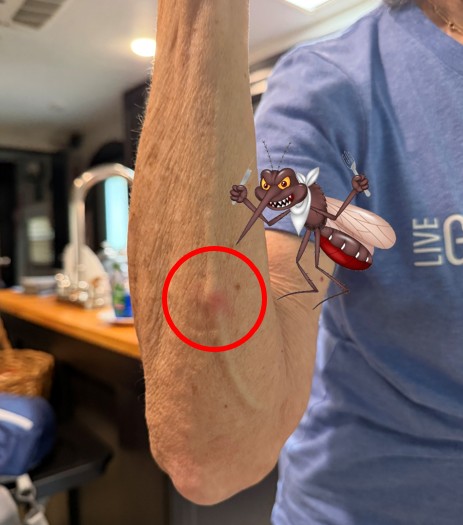
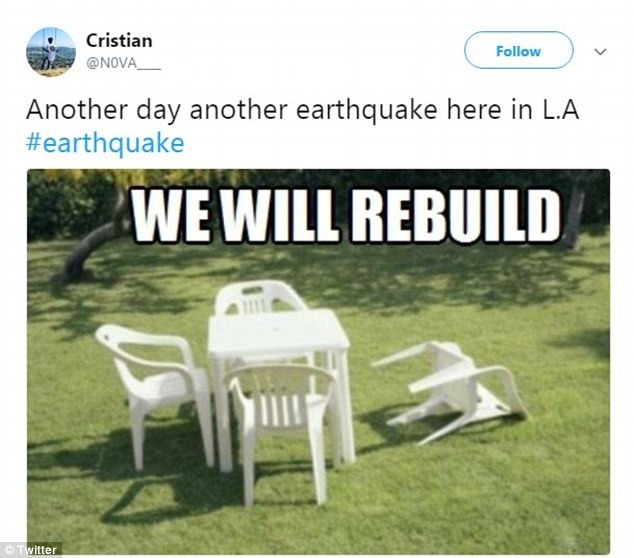
Also, Breaking News: we no sooner leave the state than a 6.1 earthquake, centered just north of Cuba, is felt in central Florida, an extremely rare event in the land of hurricanes, tornados and tropical storms. The memes are already flooding the zone.
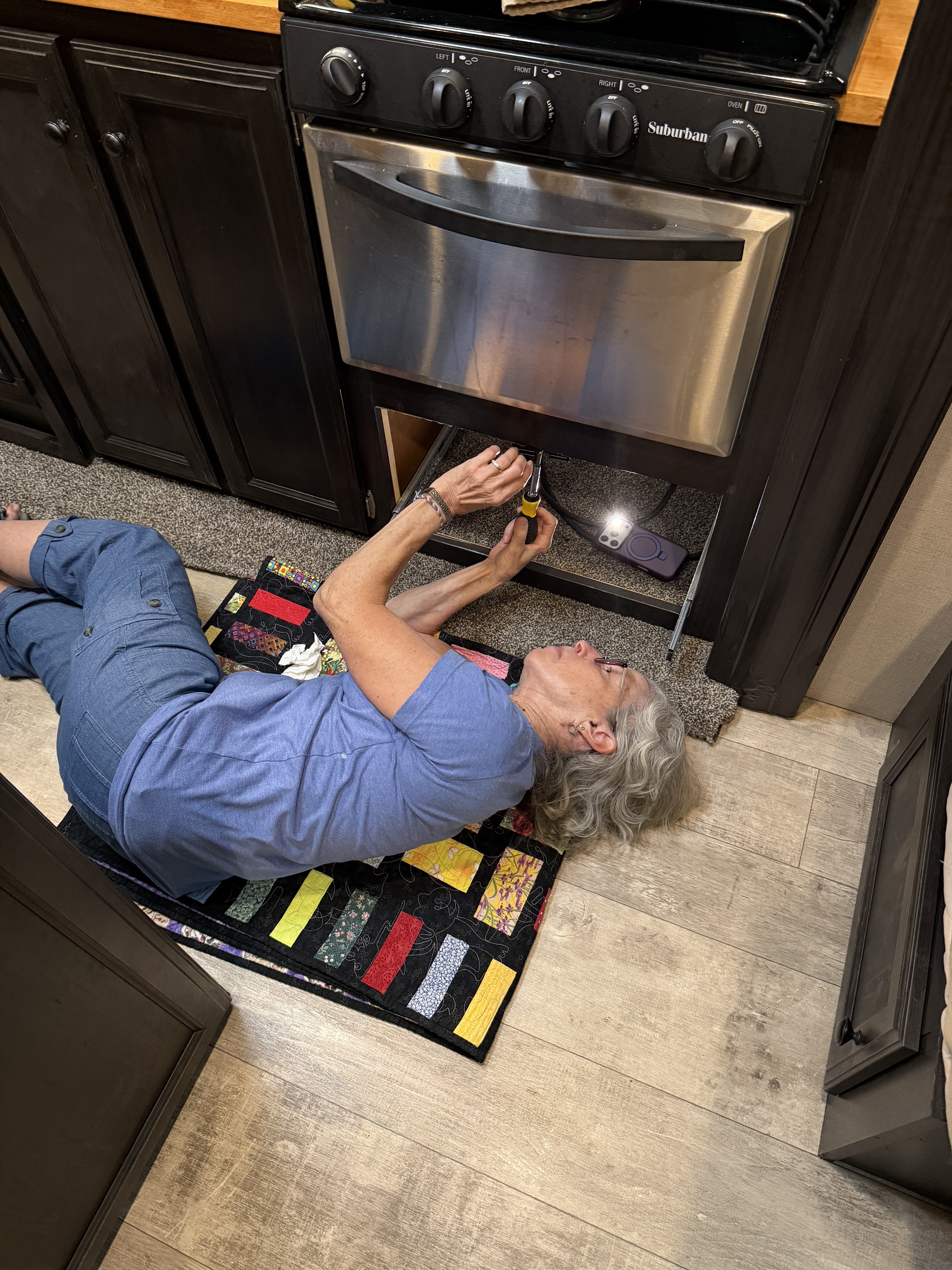
And, more Travel Breaking News!: we have a pesky drawer that doesn’t like to stay closed during transit, so Wendy did some maintenance work installing a new magnetic latch. It didn’t do the job, but she will keep on it, I’m sure.
Next up, Gettysburg and an even harder pivot to CivWar, but we promise we will still dig for RevWar tidbits.
Onward!
Tippy the CivWar scholar has a word.

 MUDDSCAPE
We’re enjoying being along for your journey. Very educational too!😘😘
Yahoo Mail: Search, Organize, Conquer